


Listen to the Article: SVB Goes Bust Overnight, What Startup Brokers and Fintechs Need to Do?
Silicon Valley Bank (SVB), founded in 1983 and located in Santa Clara, California, was once the cradle for technology startups across the United States. However, last Friday (March 10, EST), the bank that once had been on Forbes' annual list of America's Best Banks for five consecutive years, suddenly went belly-up and was then taken over by the Federal Deposit Insurance Corporation (FDIC), becoming the largest bank to collapse in the United States since the 2008 Financial Crisis.
This whole "overnight collapse" drama caught many off guard, including OANDA, FXCM, and IG Group, who provide FX trading services in the United States, causing panic in global financial markets.
In this article, Fazzaco tries to uncover the truth behind SVB's sudden death and how startup brokers and fintech companies can cope with the situation.
A Perfect Storm Is A Result of A Variety of Factors
The fundamental reason behind SVB's downfall, well, is attributed to a classic bank run, which led to capital crisis, pretty much like the way how FTX went bust last year. But like what they say, a perfect storm is the result of a variety of factors converged into one. So there are much more complicated forces contributing to this catastrophic collapse of the once-powerful bank.
One of the major factors at play was the Federal Reserve's decision to spike interest rates in an effort to combat inflation, an ongoing effort since last year. This move had a significant impact on SVB, as the bank had heavily invested in tech stocks that were adversely affected by higher borrowing costs. This slowdown in momentum was just the beginning of the bank's problems.
The rise in interest rates also caused long-term bonds to decrease in value, which was a significant issue for SVB and other banks that had amassed large portfolios during the era of ultra-low interest rates. SVB's portfolio of $21 billion was only yielding an average of 1.79%, compared to the current 10-year Treasury yield of around 3.9%. This meant that the bank was sitting on a significant amount of unrealized losses.
At the same time, venture capital funding began to dry up, which led to startups drawing down funds held by SVB. As the pace of customer withdrawals accelerated, the bank was left with a mounting pile of losses in its bond portfolio. This combination of factors created a perfect storm, and SVB was ultimately unable to weather the storm.
A Simple Timeline
The first shockwave was sent to the venture capital community on Wednesday (Mar. 8) when SVB announced that it had sold a bulk of securities at a large loss and that it planned to issue $2.25 billion in new shares to strengthen its balance sheet. Panic rippled among major VCs who reportedly advised their companies to pull out their money ASAP.
Thursday morning (Mar. 9), SVB's stock started to nosedive as the news of its financial troubles spread, and it also dragged down the stocks of other banks by the afternoon. Fear of another 2008 Crisis emerged among investors.
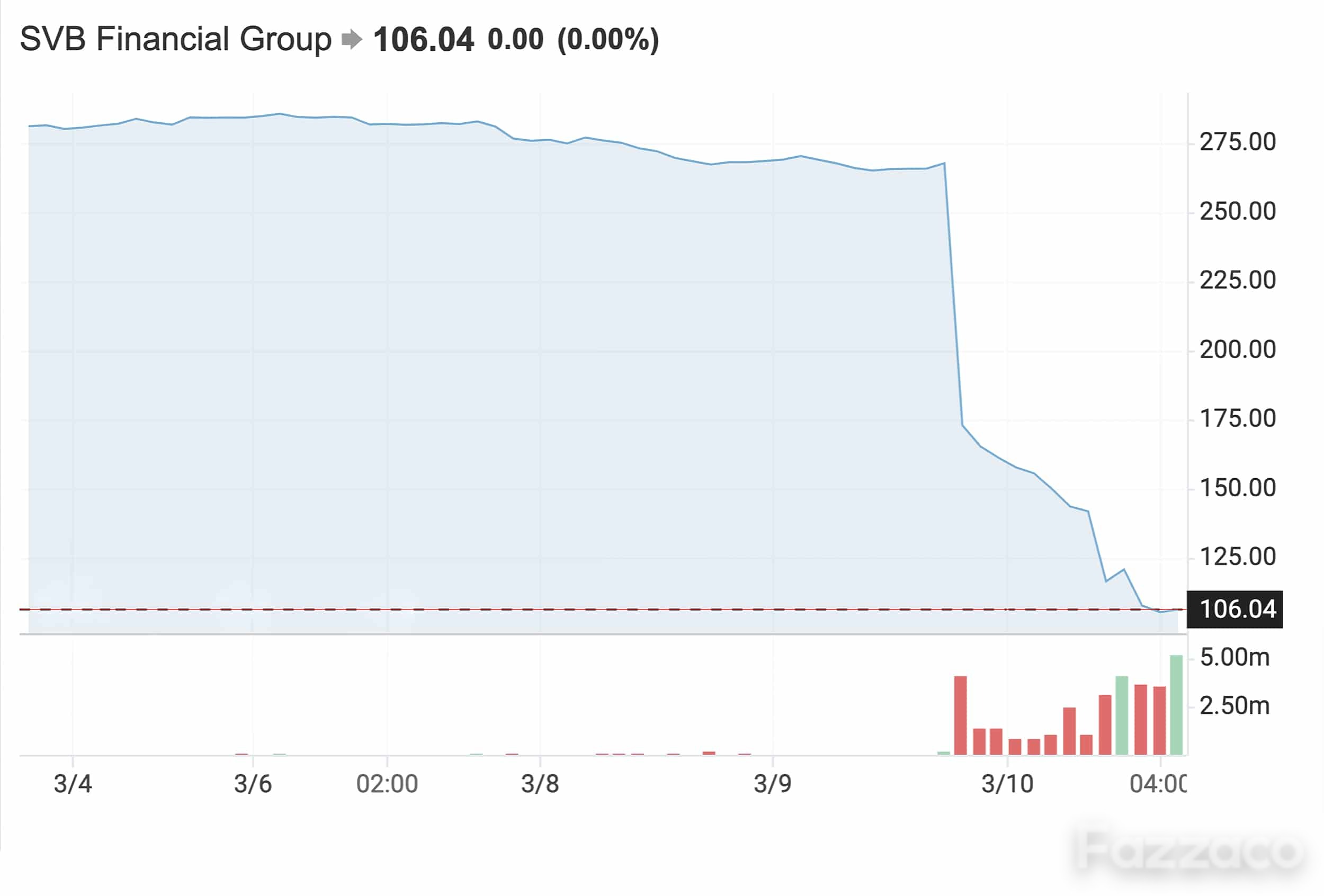
Friday morning (Mar. 10), trading in SVB shares was stopped, and the bank gave up on trying to raise money or find a buyer quickly. California regulators stepped in and closed the bank, putting it under the control of the Federal Deposit Insurance Corporation. This was similar to what happened during the previous financial crisis.
Should FX Brokers & Fintechs Worry? What Should They Do?
Following the collapse of SVB, the financial regulator of New York State closed Signature Bank, the largest crypto bank in the US, on Sunday (Mar. 12), making it the third largest bank failure in US history, and the third bank shutdown in one week in this country. Silvergate, another commercial bank that primarily lends to crypto firms, ceased operations and liquidated its assets on the 8th. Meanwhile, the First Republic Bank branch in California has seen long lines of people attempting to withdraw funds. Across the Atlantic, startups woke up on the 11th morning only to find that SVB UK branch had stopped making payments and was no longer accepting deposits. The Bank of England has announced that it will commence bankruptcy proceedings against SVB UK. On the 13th, Fazzaco reported that HSBC Holdings announced that it acquired SVB UK for £1 through its UK-based subsidiary.
Obviously, the collapse of SVB has sent shockwaves across the entire financial sector, especially for fintechs and forex brokers who rely on its services. Some of them are worried about the impact of SVB's crisis on their liquidity, operations, and customers.
Nevertheless, experts in the financial sector believe that the impact will be contained and will not lead to a widespread crisis like the one that occurred during the financial crisis. The banking system has undergone significant reforms since the 2008 crisis, and banks are now better capitalized and more resilient.
It seems that the initial panic is gradually subsiding.
But some of the bank's clients have taken moves. Diversifying banking relations is a way out of troubles like this, and according to Fred Destin, the founder of London-based venture capital firm Stride, said a number of companies in which he had invested were moving deposits to Revolut and Wise. "Many startups have had trouble building banking relationships…if you're a startup you might have all of your cash at SVP. Wise and Revolut are easy to set up are licensed institutions so you can move a fair amount of money into them," he commented.
What's Up Ahead?
Smaller banks that have significant exposure to industries facing financial difficulties, such as fintech and cryptocurrency, may be in for a tough time, despite the unlikelihood of a wider contagion, according to Ed Moya, a senior market analyst at OANDA, who also stated that Wall Street insiders had been aware for some time that the Fed's interest rate hikes would eventually result in the collapse of some institutions, and that small banks are bearing the brunt of this.
In the event of a bank's failure, the FDIC typically sells its assets to other banks, using the funds to compensate depositors who have not been insured. There is still a chance that a buyer will step forward to purchase SVB, but it is by no means certain. Meanwhile, the market is anxiously waiting to see what's up ahead will be in this unpredictable economic climate.
 Subscribe Now