

Tariff Concerns Trigger Volatility in U.S. Treasury Market
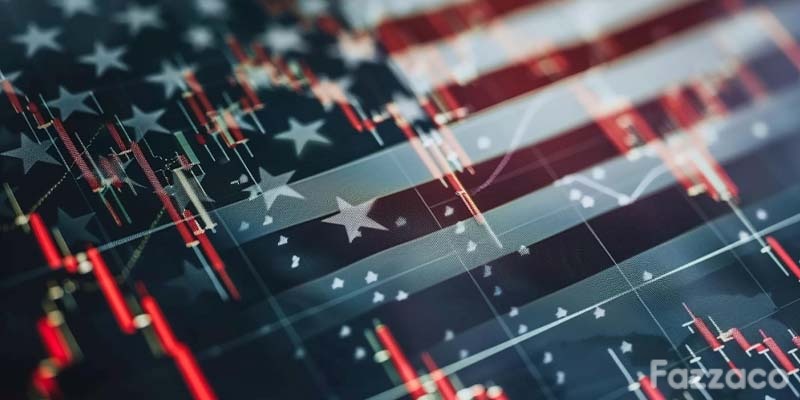
The U.S. Treasury market experienced significant volatility this week, marked by a sharp selloff reportedly triggered by concerns surrounding potential tariffs. This market movement led to some disruptions, including hedge funds reducing leveraged positions and investors expressing worries about potential long-term effects on U.S. markets.
While market participants described the selloff as orderly overall, indicators such as the difference between buying and selling prices (bid-ask spreads) reportedly widened on Wednesday, with one trading desk noting spreads doubling their usual levels.
Treasury yields saw some retracement on Wednesday following a temporary pause on tariffs announced by President Donald Trump. However, yields remained higher for the day, and earlier in the week, the increase in yields had reached levels not seen since 2001.
The rapid market movements prompted some investors and analysts to draw comparisons to the "dash-for-cash" event in March 2020, which required intervention from the Federal Reserve through significant bond purchases.
Bill Campbell, a portfolio manager at DoubleLine, described trading conditions as "particularly difficult overnight on Tuesday." He noted that this period saw hedge funds beginning to unwind relative value trades, which involve using debt to capitalize on minor price differences between similar assets. This unwinding reportedly put pressure on bank balance sheets. Campbell cautioned, "With the selling that happened overnight in Asia and then through Europe, you started to get the warning signs that there was potentially stress building up in the system, and had it continued, then you start to run the risk that bigger things would happen."
An anonymous market participant indicated that their firm had provided additional financing to some clients on Wednesday as certain banks became more cautious. While stating that the market functioned as expected, the source added that there was a heightened level of vigilance for any signs of escalating stress.
The U.S. Treasuries market, valued at $29 trillion, serves as a crucial foundation for the global financial system. Disruptions in this market can have widespread implications for financial stability and can also impact the government's borrowing costs.
Following his decision to temporarily pause tariffs, President Trump commented that the "bond market now is beautiful."
Despite this, some market participants are questioning the potential for lasting negative impacts on U.S. assets. Analysts at Deutsche Bank stated in a note that "The damage has been done ... both in terms of relative economic growth outcomes and foreign investor willingness to fund the U.S. external deficit."
Concerns were also raised about the role of hedge funds in the Treasury market, where they often utilize leverage in short-term repo markets. Sources indicated that the recent selloff triggered demands for additional collateral from counterparties. Symon Drake-Brockman, co-founder of Pemberton, explained, "In volatile times like this, the provider of leverage to a hedge fund with a highly levered portfolio gets nervous and may want to make a capital call to get extra collateral. If they haven't got the money, these hedge funds start unwinding the trades."
Bhas Nalabothula, head of U.S. institutional rates at Tradeweb, noted on Wednesday that there was more unwinding activity in the long U.S. Treasuries swap spread trade.
Campbell reported that trading conditions improved on Wednesday morning as New York trading commenced, stating, "Dealers saw that they still had decent capacity, and we started to see markets regulate themselves without the need for any intervention."
Market anxiety was further eased by a U.S. Treasury 10-year note auction which saw strong demand. However, President Trump's subsequent announcement of a tariff pause later on Wednesday left investors considering the future direction of the market.
Analysts at Westpac commented in a note, "The age of U.S. exceptionalism (at least financially) has come to an end. The ultimate risk-free curve, of US Treasuries, the 'golden collateral', the actual instrument any investor from Tennessee to Tokyo can buy, is being challenged."
 Subscribe Now