


A Regulatory Overreach? Inside the CFTC's Tumultuous Battle with My Forex Funds

In July 2024, Caroline D. Pham, a CFTC commissioner made a surprising statement in which she called that the allegations the Commission has made recently regarding the My Forex Funds (MFF) case a "serious blight on the CFTC's reputation and credibility".
In fact, Commissioner Pham previously lambasted the CFTC's "ready, shoot, aim" approach, decrying the lack of thorough legal review and proper administrative process. So today, let's take a closer look into this tumultuous legal battle between CFTC and MFF.
The Allegations and Initial Victory
This high-profile case not only scrutinizes the alleged fraudulent practices within the prop trading sector but also highlights significant internal challenges and procedural missteps within the CFTC.
The controversy erupted in September 2023 when the CFTC accused Traders Global Group, the parent company of My Forex Funds, and its founder, Murtuza Kazmi, of operating a fraudulent scheme through MFF. According to the complaint, MFF's enticing offer for customers to become professional traders using the firm's proprietary funds masked a Ponzi-like operation designed to benefit from customer losses.
In a swift and decisive move, the U.S. District Court in New Jersey granted the CFTC an ex parte restraining order to freeze MFF's assets and appoint a receiver for the business. This early victory, however, soon unraveled as the case progressed.
A Critical Voice from Within
Like we brought up in the beginning, CFTC Commissioner Caroline D. Pham emerged as a prominent critic of the agency's handling of the case.
Her concerns were not unfounded; the CFTC's track record of losing high-profile cases due to procedural blunders has been a troubling pattern.
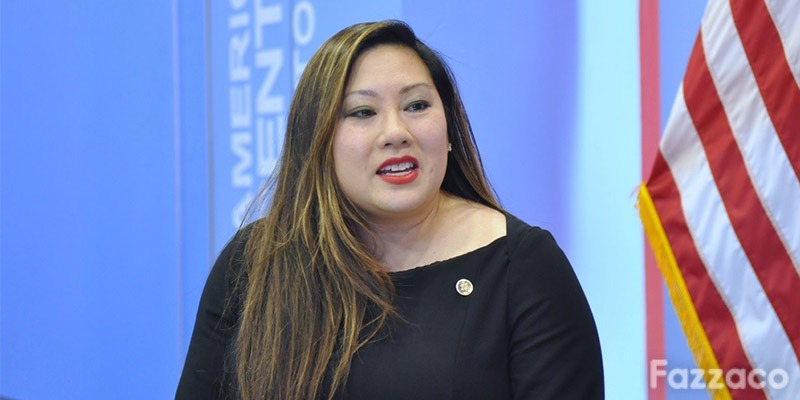
Pham's criticisms went beyond procedural faults. She highlighted specific instances of misconduct, including the agency's failure to disclose to the court that $31.5 million, initially alleged to have been transferred to unidentified accounts, were actually tax payments. This misrepresentation led the court to significantly reduce the asset freeze from $310 million to $12 million, casting doubt on the CFTC's integrity.
Legal Battle Heats Up: Accusations of Misconduct and Overreach
The latest developments have only added fuel to the fire. In November 2023, the court agreed to unfreeze $100 million of MFF's assets, citing concerns over the CFTC's conduct. The defense successfully argued that the CFTC had misrepresented facts to the court, including allegations that the agency attempted to breach attorney-client privilege.
Pham's concerns were amplified when she reviewed the allegations against the CFTC in a publicly reported Rule 11 sanctions motion. She highlighted the court's admonishments regarding the agency's tactics and urged her colleagues to take corrective action. The ex parte abuse and the mischaracterization of financial transactions were seen as part of a broader pattern of misconduct that could undermine the Commission's authority.
The drama intensified when MFF retaliated with a motion accusing the CFTC of repeatedly lying to the court and seeking sanctions against the agency. The defense argued that the CFTC's actions, including attempts to breach attorney-client privilege, represented a severe regulatory overreach and abuse of ex parte proceedings.
Pham echoed these allegations, warning that the agency's aggressive and misguided tactics threatened the due process rights of individuals and companies. She called for her fellow commissioners to take full accountability and implement corrective measures to address the misconduct and restore the CFTC's credibility.
 Subscribe Now