


AUSTRAC Releases Financial Crime Guides on Crypto and Ransomware
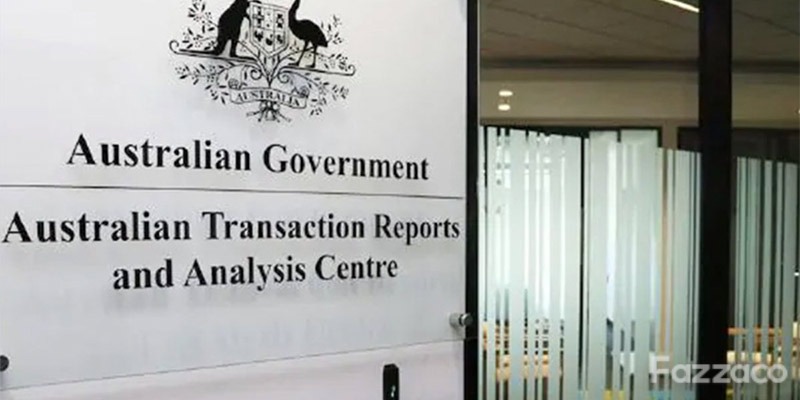
AUSTRAC (Australian Transaction Reports and Analysis Centre) has released two new financial crime guides to help businesses stop ransomware attack payments and the criminal abuse of digital currencies.
The first financial crime guide includes practical information and key indicators to help businesses understand, identify and report suspicious ransomware activity.
According to the ACSC (Australian Cyber Security Centre), 500 ransomware attacks were reported in the 2020-21 financial year, an increase of nearly 15 percent from the previous year.
The financial crime guide outlines a number of ways in which ransomware can be deployed, including infected USB sticks, outdated software, phishing emails, malicious ads, and infected websites.
It notes that all the services and tools required to carry out a ransomware attack are available on the darknet, allowing even people with very little experience in coding or cybercrime to engage in such activity.
The guidance also describes the different ways funds would flow following a ransomware attack – such as through privacy coins, mixers or mule accounts – and how cybercriminals obscure the flow of funds.
The second financial crime guide provides financial indicators to help businesses, including digital currency exchange providers, recognise and report criminal activity being conducted through digital currencies.
AUSTRAC says criminals are attempting to take advantage of the rapid take-up of digital currencies and their pseudo-anonymous and borderless nature to commit crimes and hide from law enforcement.
The guide is aimed at helping businesses to understand how to distinguish between criminal activity and customers using digital currencies for legitimate purposes, also highlighting the importance of reporting suspicious activity.
The guide describes how money is laundered through digital currencies and the processes criminals use to conceal the illegal origins of their funds. It also discusses the use of digital currency to facilitate scams, tax evasion, and ransomware attacks.
The behavioural and financial indicators provided in the guide are intended to be used to review profiling and transaction monitoring programmes to target, detect and disrupt illicit transactions involving digital currencies.
AUSTRAC expects financial services businesses to use the information presented in the two guides, as well as their own monitoring systems, to detect potential illicit activity and file SMRs (suspicious matter reports).
Source: Regulation Asia
 Subscribe Now