


Bank of Korea Seeks to Monitor Crypto Transactions with Financial Records
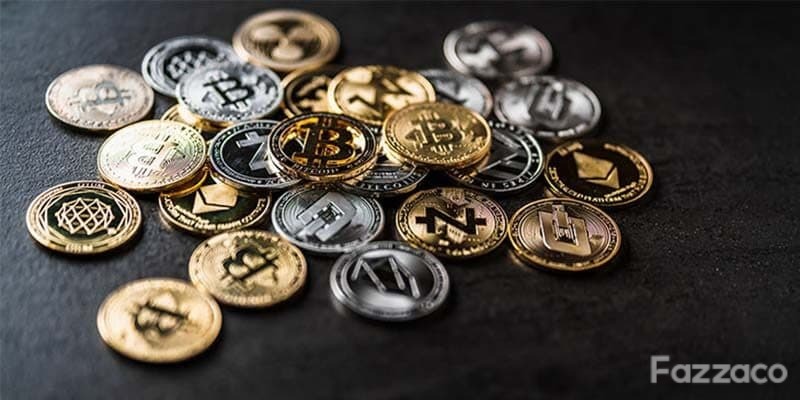
Fazzaco learned that Bank of Korea (BOK) has planned to utilize its powers to conduct monitoring of crypto transactions made through real-name bank accounts by obtaining documents from financial institutions.
According to the central bank, cryptocurrency prices fluctuate independently from the real economy, and market growth could pose a risk to the country’s financial system.
By law, the bank is authorized to acquire records and various other materials from financial institutions when the Monetary Policy Committee considers it necessary for the implementation of its monetary and credit policies.
South Korea’s central bank is concerned about both the volatile nature of cryptocurrency prices and the rapid expansion of the digital assets market. In April, the Korean price of the leading cryptocurrency by market capitalization, BTC, reached a record high, trading around $72,000 per coin.
The regulatory authority also notes that “Cryptocurrency has high price volatility and is a high-risk asset that shifts on issues irrelevant with the real economy.”
The Financial Intelligence Unit has been tracking illegal money flows in the sector and the Financial Services Commission is now requiring financial institutions and digital asset exchanges to intensify the screening of cryptocurrency transactions. Furthermore, crypto trading platforms will be required to submit receipts to the country’s tax authorities starting next year.
The revised Act on Reporting and Using Specified Financial Transaction Information requires crypto exchanges to be equipped with information security management systems and to form partnerships with local banks by Sept. 24. On that date, the grace period ends and all crypto accounts must be linked with bank accounts in the holders’ real names.
Many local cryptocurrency exchanges including Daybit and CPDAX closed their operations due to the toughened anti-money laundering law.
 Subscribe Now