


Bitget Wallet Integrates Crypto Payments Into Brazil’s Pix Infrastructure
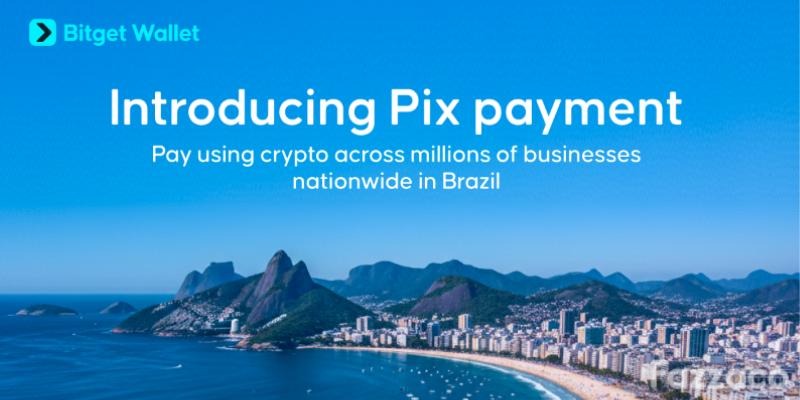 Bitget Wallet has introduced a new payment integration that enables stablecoins to be used within Pix, Brazil’s instant retail payments system. Through a partnership with local licensed provider Aeon, the non-custodial wallet now allows users to settle transactions in Brazilian reais by scanning any Pix QR code, while spending USDT and USDC held across multiple blockchains, including Ethereum, BNB Chain, Solana, Tron, Ton, and Base.
Pix, launched by the Central Bank of Brazil in 2020, has rapidly become the dominant retail payments infrastructure in the country. By 2024, it processed more than 64 billion transactions, equivalent to USD 4.6 trillion, surpassing the combined value of credit and debit card usage. The system is used by over 150 million individuals and millions of businesses, making it a critical component of Brazil’s digital payments landscape.
For institutional players, the integration underscores two key developments: the growing role of stablecoins as transaction mediums in emerging markets, and the convergence between decentralized financial tools and regulated national payment systems. By enabling direct settlement in Pix, Bitget Wallet is effectively linking blockchain-based assets with one of the largest real-time payment rails in the world, creating new channels for remittances, cross-border commerce, and merchant payments.
The move follows a broader regional strategy, including a USD-based zero-fee crypto card launched earlier this year for Latin American users, as well as QR-pay integrations in Asia. Collectively, these initiatives signal how wallet providers are attempting to position stablecoins not just as speculative instruments, but as operational currencies within established financial ecosystems.
For banks, PSPs, and fintechs, the development raises important questions around interoperability, regulatory treatment of stablecoin payments, and the role of licensed intermediaries such as Aeon in bridging crypto with fiat-based infrastructures. As Brazil continues to modernize its financial sector under regulatory oversight, integrations like this may provide a test case for how decentralized assets can interact with national systems at scale.
 Subscribe Now