


BlackRock Faces Leadership Shake-Up as Key Executive Departs
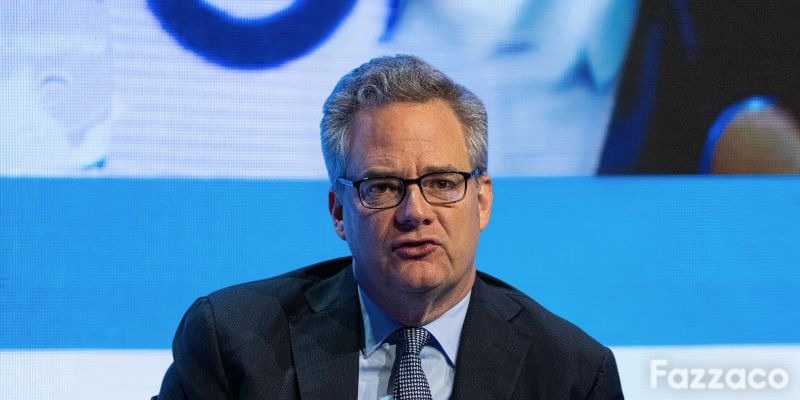 In a move that signals a shift in BlackRock's leadership, Mark Wiedman, a senior executive who had long been considered a potential successor to CEO Larry Fink, is leaving the company after nearly two decades of service. Wiedman, who most recently served as the head of BlackRock's global client business, had been a central figure in the firm's expansion and strategic growth, particularly in its ETF and advisory operations.
Wiedman's departure follows a year of significant changes at the world's largest asset manager, as it navigates both a massive expansion in alternative assets and the looming question of succession at the top. Despite having played a key role in BlackRock's acquisition spree, including the $28 billion deal to strengthen its alternative assets division, Wiedman has opted to pursue opportunities outside the firm. His exit follows a broader trend of top executives from the firm seeking new paths. Notably, Salim Ramji, another former potential CEO candidate, left last year to become the CEO of Vanguard, BlackRock's biggest rival in the asset management space.
The departure raises questions about BlackRock's long-term leadership and succession planning. While Fink has stated that he is preparing the next generation of leaders, there is growing concern among analysts and industry insiders about the slow pace of leadership transition at the firm. At 72 years old, Fink has led BlackRock since its founding in 1988, and while he has expressed confidence in his ability to transition out of the CEO role when the time comes, the absence of a clear successor may be unsettling to some stakeholders.
Wiedman's exit is particularly significant given his involvement in some of BlackRock's most important strategic moves, such as the 2009 acquisition of Barclays Global Investors, which helped catapult the firm to its current position as a dominant player in asset management. His work in leading the iShares division and fostering its rise as a key player in the ETF market further cemented his reputation as one of the firm's top leaders.
Despite his significant contributions, Wiedman's decision to leave now underscores the challenges BlackRock faces as it manages both its growing portfolio of assets and the evolving question of its leadership. As BlackRock continues to position itself for future growth, particularly in private credit and alternative assets, the company's ability to navigate these leadership changes will be critical.
The firm's leadership roster includes several other executives who have been touted as potential successors to Fink, including Chief Financial Officer Martin Small, Chief Operating Officer Rob Goldstein, and International Head Rachel Lord. The company has yet to officially announce how Wiedman's departure will affect its operations, but industry observers expect a restructuring of responsibilities among its senior leadership.
While BlackRock has been quick to downplay concerns regarding its succession planning, the loss of key executives like Wiedman raises important questions about the firm's ability to maintain its market dominance in a rapidly changing financial landscape. As the company prepares for its upcoming earnings report, all eyes will be on how it plans to address these internal shifts while continuing its aggressive push into new markets and investment sectors.
 Subscribe Now