


CBIRC Publishes New Rules on Internal Controls for Wealth Management Companies
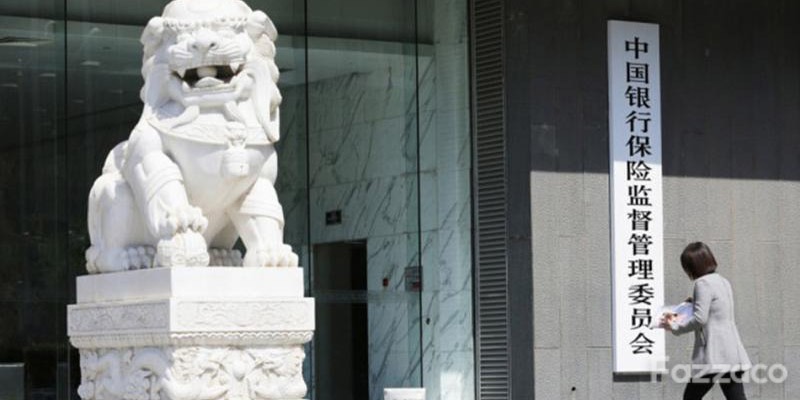
The CBIRC (China Banking and Insurance Regulatory Commission) has issued new rules on internal controls for wealth management companies.
The new rules require wealth management companies to establish and improve their internal control systems; formulate standardised business and management systems for their various activities; and conduct a comprehensive assessment of these systems at least once a year.
Wealth management companies are also required to strengthen their investment and transaction system processes through the implementation of a centralised transaction record system which allows investments and transactions to be separated and transaction information to be traced and checked.
The rules also specify how wealth management companies should manage personnel in key posts, isolate risk, design products, and allocate responsibilities among their directors and senior management, internal control functional departments, and internal audit departments.
Wealth management companies are required to build an information isolation system to comprehensively cover all businesses with conflicts of interest, and establish and strengthen related party transaction management systems – ensuring they can identify related parties accurately and have standardised processes in place for managing and approving related party transactions.
The rules also set out requirements for wealth management companies to maintain risk reserves in a dedicated account, where they can only be invested in bank deposits, treasury bonds, central bank bills, policy bonds and other assets recognised by the CBIRC. At least 10 percent of the risk reserves must be in instruments with maturities under one year.
The rules also state that wealth management companies must appoint a chief compliance officer at the senior management level to review, supervise, and inspect the establishment and implementation of internal control systems.
The rules also require wealth management companies to continuously track changes in risk monitoring indicators for each product they carry, carry out stress tests, and bar investment and trading personnel from directly investing in domestic and foreign stocks.
The rules, published here, took effect on last Thursday (25 August).
 Subscribe Now