


CFPB Faces Radical Shift Under New Leadership
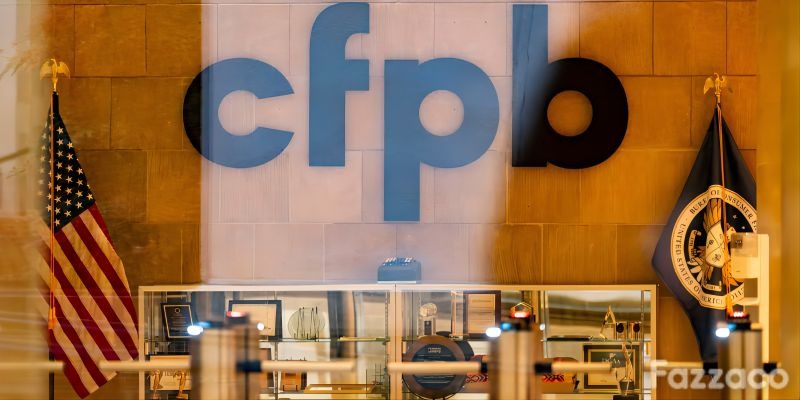 The Consumer Financial Protection Bureau (CFPB), established after the 2008 financial crisis, is undergoing significant changes under its new acting director, Russell Vought. Appointed during the Trump administration, Vought’s recent decisions have raised questions about the future of the agency and its role in consumer protection.
One of the most significant shifts has been the suspension of key regulatory functions, including examinations, supervision, and enforcement actions targeting financial institutions. Historically, the CFPB’s role has been vital in overseeing banks, lenders, and credit card companies, especially in the aftermath of the 2008 crisis when consumer protection was a central concern.
Vought’s actions also include halting interactions with external stakeholders, including industry groups, consumer advocates, and public interest organizations. Additionally, the agency has paused its public outreach efforts and the development of new rules aimed at strengthening consumer protections.
Perhaps most concerning to some is Vought’s decision to reject additional funding for the CFPB, despite its traditional funding model through the Federal Reserve. With a current budget deemed sufficient by the administration, the CFPB will operate without the customary influx of new resources. This move, while financially conservative, has led to concerns about the agency's future effectiveness, particularly as it has historically relied on robust funding to carry out its mission.
In early February 2025, the CFPB’s headquarters in Washington, D.C., was temporarily closed, with staff directed to work remotely. While officially presented as an operational necessity, many observers see this as a sign that the agency’s future could be in jeopardy, raising fears of downsizing or even the eventual dismantling of the CFPB. Though the closure is described as temporary, its timing and circumstances have led to widespread speculation about the agency’s long-term stability.
These moves have provoked a strong reaction from various stakeholders. Consumer protection groups, labor unions, and Democratic lawmakers have all expressed concern over the weakening of the CFPB. They argue that the agency’s ability to protect consumers from deceptive practices and harmful financial products is more crucial than ever, and reducing its power could lead to a return of practices that harmed consumers before the financial crisis.
The political implications of these changes are profound. Created by the Dodd-Frank Act in 2010, the CFPB has been a target for Republican lawmakers and business groups who claim that its oversight is burdensome. Vought’s decisions align with efforts to limit the power of federal regulatory agencies, particularly those that impose heavy oversight on financial industries. While some view these steps as fulfilling campaign promises to reduce government intervention, others see them as an attempt to undercut the CFPB’s consumer protection mission.
In addition to these regulatory shifts, external factors are complicating the situation. The Department of Government Efficiency (DOGE), led by tech entrepreneur Elon Musk, has been granted access to sensitive CFPB data systems. Although the specifics of this access remain unclear, it has raised concerns among CFPB staff about outside influence on the agency’s operations. There are fears that this could result in the privatization of certain functions or a shift in the agency’s independence.
This unusual involvement of a private entity, coupled with the agency’s internal concerns, has raised alarms about the CFPB’s autonomy. Many employees are worried about the growing influence of DOGE, which could change how the CFPB carries out its duties or compromise its regulatory independence.
Legal challenges have already emerged in response to the changes. The National Treasury Employees Union has filed a lawsuit, claiming that Vought’s actions violate constitutional principles by undermining the CFPB’s ability to protect consumers. The lawsuit argues that halting the agency’s core functions is a violation of its intended mission and goes against the constitutional separation of powers by weakening an independent regulatory body.
As these legal disputes continue, the future of the CFPB remains uncertain. For more than a decade, the agency has been central to the enforcement of consumer protection laws, and its effectiveness has been seen as key to maintaining financial system integrity. However, the recent changes suggest that the agency’s power is being diminished, leading many to question whether it can still fulfill its mission under these constraints.
The political climate surrounding the CFPB is growing increasingly polarized. Advocates of reducing the size of government see the agency as an overreach, while proponents emphasize the CFPB’s importance in preventing financial harm to consumers. The outcome of these ongoing debates will play a critical role in determining the agency’s future.
As the CFPB navigates these challenges, the broader implications for U.S. financial regulation become clearer. The agency’s future is now in question, and its ability to continue protecting consumers is uncertain. The coming months will be crucial in determining whether the CFPB will remain a force in financial oversight or whether it will be relegated to a more limited, symbolic role.
 Subscribe Now