


CFTC Leads Multi-Agency Effort Against $10 Billion “Pig Butchering” Scams Ahead of Valentine’s Day
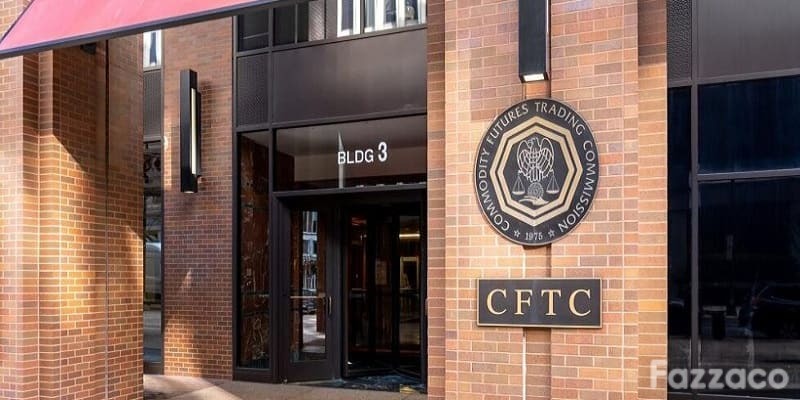 The Commodity Futures Trading Commission (CFTC) has coordinated a nationwide effort with more than 20 federal and state agencies to combat romance-related investment fraud, commonly referred to as “pig butchering,” which has drained an estimated $10 billion from Americans over the past year. The campaign, dubbed “DatingOrDefrauding?”, is timed around Valentine’s Day, a period when scammers traditionally intensify their operations.
“Foreign criminals are exploiting dating apps, social media, messaging platforms, and artificial intelligence to steal money from American citizens,” CFTC Chairman Michael S. Selig said. He urged the public to warn friends and family and to safeguard crypto assets through trusted software systems and U.S.-regulated intermediaries.
The financial impact of these schemes has surged in recent years. U.S. losses tied to Southeast Asia-based operations rose 66% year-over-year, while global losses are estimated to exceed $75 billion. Revenue from pig butchering scams reportedly grew nearly 40% in 2024, with deposits into fraudulent platforms jumping 210%. Individual victims in the United States have reported average losses exceeding $150,000.
Southeast Asia remains a central hub for these operations. Cambodia, Laos, and Myanmar generated roughly $43.8 billion in scam revenue, with around 305,000 individuals involved in scams across the three countries and 100,000–150,000 workers reportedly exploited in Cambodian centers. Scammers increasingly use AI-generated communications and move victims from mainstream platforms like WhatsApp to encrypted apps such as Telegram, complicating detection.
The CFTC-led campaign includes the Department of Justice Criminal Division, FBI, Securities and Exchange Commission, IRS Criminal Investigation, U.S. Secret Service, and Financial Crimes Enforcement Network, as well as state regulators from Minnesota, Oregon, Washington, Wisconsin, and the Virgin Islands. Self-regulatory organizations FINRA and the National Futures Association are also participating. Globally, the CFTC is working with the International Organization of Securities Commissions on coordinated educational outreach.
Scammers typically contact targets through dating apps, social media, messaging platforms, or random texts. They establish trust with fake profiles, images, and AI-generated voices, then promote investment opportunities in cryptocurrencies, foreign currencies, or precious metals through fraudulent platforms. Victims often see initial gains to encourage larger deposits, but they are ultimately unable to withdraw funds.
The CFTC’s recent internal reorganization emphasizes fraud prevention. Acting Chairman Caroline Pham streamlined the Division of Enforcement into two primary task forces: the Complex Fraud Task Force and the Retail Fraud and General Enforcement Task Force, which focuses on retail investor protection. Under Chairman Selig’s leadership, the agency prioritizes guidance and prevention over technical compliance enforcement, emphasizing willful misconduct rather than inadvertent violations.
 Subscribe Now