


CFTC Orders Kalshi to Stay Open as New York Seeks $36 Billion
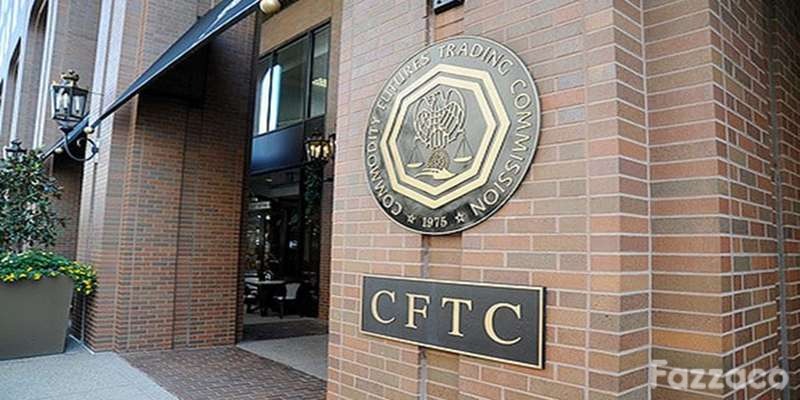 The Commodity Futures Trading Commission (CFTC) ordered Kalshi on Tuesday to keep its exchange operating, declaring New York’s attempt to shut the prediction-market platform a market emergency. The directive, issued under the Commodity Exchange Act, does not end New York’s lawsuit but places a federal regulatory command against the shutdown state officials are seeking in court. New York filed its complaint on July 31, alleging that Kalshi runs an illegal gambling operation, and is seeking a temporary restraining order covering all event contracts along with at least $36 billion in compensatory damages.
"New York has no business regulating these interstate financial markets," CFTC Chairman Michael Selig said, arguing that Congress did not intend derivatives exchanges to operate under a patchwork of state gaming laws. Kalshi notified the CFTC on August 1 that the requested restraining order threatened its ability to meet eight statutory core principles. The Manhattan-based platform has been a CFTC-designated contract market since November 2020. The Commission used Section 8a(9) of the Commodity Exchange Act, which permits emergency action when a major market disturbance prevents prices from reflecting supply and demand; such orders can be reviewed only by a federal appeals court.
In its 10-page decision, the CFTC said a sudden closure could force Kalshi to liquidate open positions and move trading onto rival exchanges, and warned that contracts listed by a New York-based venue could carry an added legal-risk premium unrelated to the underlying events. The regulator illustrated the risk with a trader using a Kalshi contract on Bitcoin’s year-end price as part of a broader strategy, noting forced liquidation could leave that trader with an unintended one-way exposure elsewhere. The reasoning turns a jurisdictional lawsuit into a market-structure question, as the CFTC views a court order aimed at one exchange as potentially altering prices, liquidity and hedges across other venues before the underlying legal dispute is resolved.
New York’s position is that Kalshi’s products fall under state gambling laws despite the exchange’s federal designation. Attorney General Letitia James said those laws protect consumers and that prediction markets cannot avoid them by calling wagers financial instruments. When the state filed the latest case, James said Kalshi allowed users aged 18 to 20 to trade sports contracts even though New York sets 21 as the minimum age for mobile sports betting. The complaint also seeks disgorgement of profits, restitution and penalties. Kalshi called the lawsuit political theater and said a state cannot close a federally licensed exchange. Kalshi has fought New York since the state Gaming Commission issued a cease-and-desist order in October 2025, when it filed its first federal challenge. A federal judge denied Kalshi a preliminary injunction against New York regulators on July 7, and the state filed the new enforcement case three weeks later.
This is the second time in less than a month that the CFTC has used emergency authority to keep Kalshi trades alive during a clash with a state. On July 14, the regulator ordered the exchange to honor trades involving Michigan residents despite a state-court directive to cancel them. The Commission said it has also sued Arizona, Connecticut, Illinois, Kentucky, Minnesota, New Mexico, New York, Rhode Island and Wisconsin to defend its jurisdiction, and has filed briefs in other state and federal appeals. The central question remains unresolved: whether sports and other event contracts are federally regulated derivatives, state-regulated gambling or both. "Kalshi shall continue to perform its functions as an exchange" under normal practices, the order says.
 Subscribe Now