
Add Fazzaco to desktop

Add Fazzaco to desktop

Access Fazzaco from desktop next time

Add now
English

China Issues Final Rules on Handling Corporate Bond Defaults

Source: Regulation Asia Editors, Regulation Asia
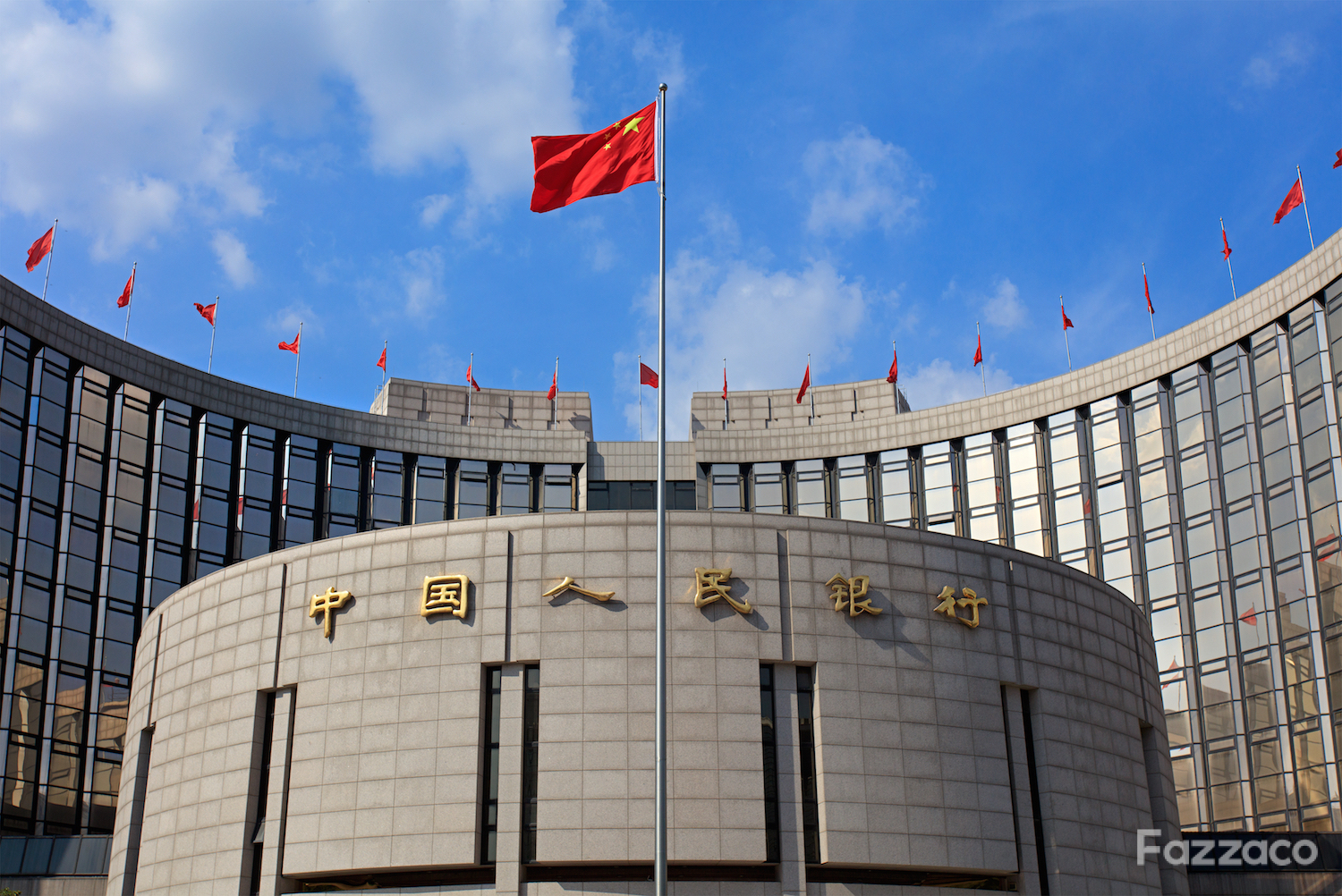
The final rules establish trustee managers, bondholder meetings and intermediaries as investor safeguards in the disposal of defaulted corporate bonds.
The PBOC (People’s Bank of China), CSRC (China Securities Regulatory Commission) and NDRC (National Development and Reform Commission) have finalised rules establishing mechanisms for handling corporate bond defaults.
The final rules, to take effect from 1 August 2020, follow the release of a consultation draft on the disposal of bond defaults in December 2019, amid calls from financial regulators for better mechanisms to resolve credit risks.
From January to May this year, 23 Chinese issuers defaulted on 53 bonds worth a total CNY 66 billion (USD 9.4 billion). In 2019, defaults worth CNY 148 billion occured, compared to CNY 121 billion in 2018.
“Improving the efficiency of default settlement is one of the effective ways to prevent and resolve bond market risks and protect the legitimate rights and interests of investors,” says a joint circular. The new rules are aimed at promoting a market-oriented bond default settlement mechanism to improve the efficiency of disposal, clarifying the roles of all stakeholders in the default process.
The rules establish trustee managers and bondholder meetings as investor safeguards in the disposal of defaulted bonds, clarifying that fiduciary managers’ liability obligations and bondholder meeting rules must be specified in bond issuance documents.
Bond issuance documents should also include information on the scope and relief mechanism of bond default events, and provide for the smooth handling of breaches of contract.
The rules also strengthens requirements for issuers to abide by contractual and information disclosure obligations, actively participate in bondholder meetings, and treat bondholders fairly in default settlement plans – specifically in relation to bond defaults.
Intermediaries are required to establish mechanisms to prevent and dispose of conflicts of interest, and lead underwriters and trustees are required to improve their ability to evaluate and manage bond credit risks. Credit rating agencies are likewise required strengthen their risk disclosure capabilities.
The rules also paves the way for stronger supervision, coordination and information sharing between regulators, and increased punishment for “malicious debt evasion and debt cancellation.”
The final rules are available here.
Create Company Page