


CME Group Plans Cash-Settled Single Stock Futures Covering Major U.S. Companies
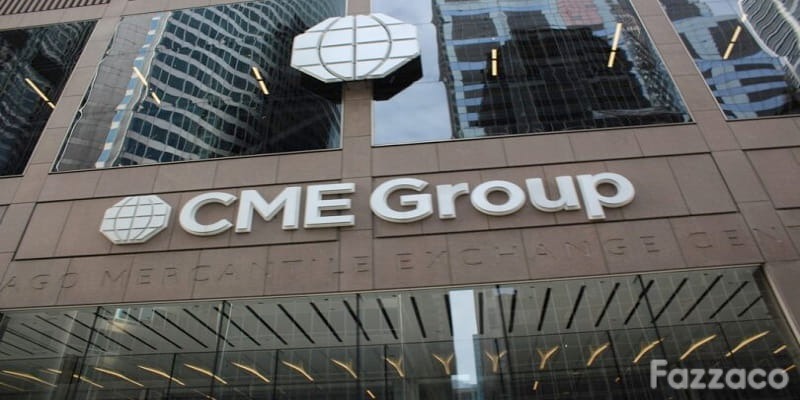 CME Group is preparing to launch a suite of cash-settled Single Stock futures this summer, pending the completion of regulatory reviews, providing futures-based exposure to more than 50 large U.S. companies such as Alphabet, Meta, Nvidia and Tesla.
The proposed contracts will reference individual shares drawn from major equity benchmarks including the S&P 500, Nasdaq-100 and Russell 1000, and will be listed on CME’s marketplace under its existing rule framework. All products will be financially settled, meaning traders will not take delivery of the underlying shares at expiration.
According to CME Group, the structure is designed to allow market participants to express views on single-stock price movements using futures margining, rather than paying the full notional value of the shares.
“These contracts will provide a simpler, more cost-effective way to take a view on a stock, while allowing market participants to gain exposure to, or hedge potential price movements, without buying shares outright,” said Tim McCourt, Global Head of Equities, FX and Alternative Products at CME Group.
Single stock futures are already available on several major derivatives exchanges. Eurex operates a long-established segment offering hundreds of such contracts on equities from Europe, the U.S. and Canada, while Hong Kong Exchanges and Clearing lists stock futures on individual Hong Kong-listed companies.
The planned launch comes amid continued growth in equity derivatives trading. CME Group reported that in 2025, its equity futures and options complex averaged 7.4 million contracts in daily volume, with open interest reaching 9.8 million contracts.
Separately, CME Group recently introduced a new margin calculation approach for precious metals futures, moving from fixed dollar margins to percentage-based requirements following record highs in gold and silver prices. The exchange said the change followed a routine review prompted by heightened market volatility, as the previous system required frequent manual adjustments to keep pace with sharp price moves.
 Subscribe Now