


Crypto Exchanges Contribute Over $21 Million to Pro-Trump Super PAC, Filings Show
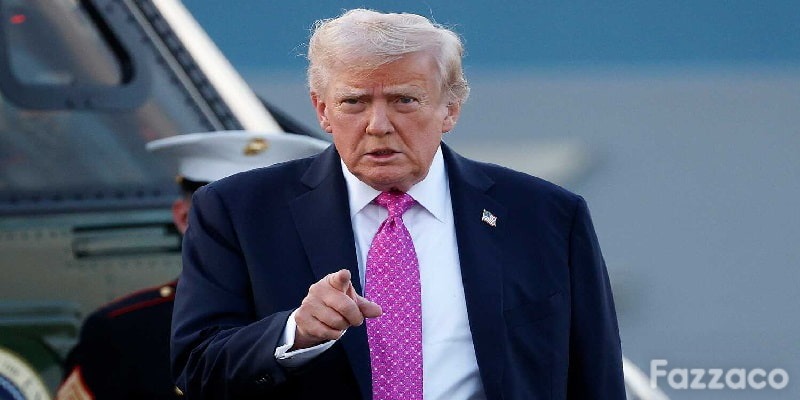 Two major cryptocurrency exchanges have emerged as significant donors to a political action committee aligned with US President Donald Trump, according to a recent filing with the Federal Election Commission (FEC).
The disclosure, dated Friday, shows that MAGA Inc., a Super PAC supporting Trump and allied candidates, received a total of more than $21 million from crypto-related entities. Gemini Trust Company contributed 1.5 million USDC, reported as liquidated digital assets, while Foris Dax—the parent company of Crypto.com—made two separate cash contributions of $10 million each.
With these additions, MAGA Inc. now reports approximately $294 million in available funds, placing crypto firms among its largest individual contributors. The filing reflects a growing trend of direct political engagement by major digital asset companies, moving beyond industry associations or issue-based lobbying.
Crypto.com has expanded its connections with Trump-linked entities since 2025, including involvement with Trump’s media company as part of a broader digital asset treasury approach. While the FEC filing does not detail the intent behind the donations, their scale underscores the increasing visibility of the crypto sector in US political financing.
Although Trump is not on the ballot in 2026, Super PAC funds can still be deployed in the upcoming midterm elections. All seats in the US House of Representatives and 33 Senate seats will be contested, with control of Congress expected to be closely fought. The outcome will shape committee leadership and legislative priorities during the latter half of Trump’s term, which runs through January 2029.
For the crypto industry, congressional control is closely tied to policy outcomes. Lawmakers are currently debating issues including stablecoin regulation, market structure, custody standards, and the scope of federal oversight of digital assets. Super PAC spending often plays a decisive role in competitive races, particularly through advertising and targeted media campaigns.
Several races are being watched by industry observers. In Massachusetts, Republican candidate John Deaton—known for legal advocacy related to XRP—is challenging Democratic Senator Ed Markey. In Wyoming, the decision by Senator Cynthia Lummis, a prominent supporter of digital assets, not to seek reelection in 2026 has introduced uncertainty over future crypto advocacy in the Senate.
The recent contributions mirror patterns seen in the 2024 election cycle, when crypto-backed groups spent tens of millions of dollars on federal races, including heavy spending in Ohio’s Senate contest. Political committees linked to digital asset interests have indicated they intend to remain active through the 2026 midterms.
The latest FEC filing suggests that for large crypto exchanges, political spending has become an established part of navigating regulatory and legislative risk as debates over digital asset oversight continue.
 Subscribe Now