


Fazzaco Talks to Leaders: The Aftermath of SVG FSA's Regulatory Blitz on FX Brokers
In January 2023, the Financial Services Authority of St. Vincent and the Grenadines (SVG FSA), a Caribbean island country and a well-known offshore financial center, requested all companies wishing to register in the country and engage in forex trading in the future to provide a copy of a necessary license from a jurisdiction where they conduct FX practices; companies that have already registered with FSA and are currently engaged in FX have a 45-day "transition period" (until March 10, 2023) to provide FSA with a copy of the necessary license from their current jurisdiction of business.
Fazzaco published an article "SVG FSA Steps up Regulations on FX Activity, What Does It Mean to Brokers?" in the first time. Now, four months have passed since the deadline set by SVG FSA on March 10, and Fazzaco contacted several compliance companies engaged in forex brokerage licensing last month and conducted an exclusive investigation into the views and insights of the industry, especially compliance companies, on this incident.
St. Vincent and the Grenadines: Never Really Issued Its Own Forex License
SVG is a hot spot for offshore financial centers, and many forex brokers have been eager to get its license. However, unlike other offshore financial centers such as the British Virgin Islands, Seychelles, Mauritius, etc. (it is worth noting that the three interviewees in this article also said that these offshore financial centers are often the destinations for most affected brokers which obtained new licenses after SVG FSA's license requirement), SVG has never authorized FX activities, so there is no such thing as a SVG forex license. In fact, brokers who claim to be regulated by SVG and have no licenses from other regions have been operating without a license all along.
Brad Alexander, the CEO of FX Large, also a director at Sun Hill Assets which provides licensing services for forex, cryptocurrencies, umbrella/hedge funds. In January this year, Alexander stated on Sun Hill's social media that "SVG (only) offers the incorporation of FX Brokers in the country but there is no license. That's why they want to see a license… from another recognised jurisdiction, to prove that FX Brokers registered as companies in SVG, are actually licensed where they do business."
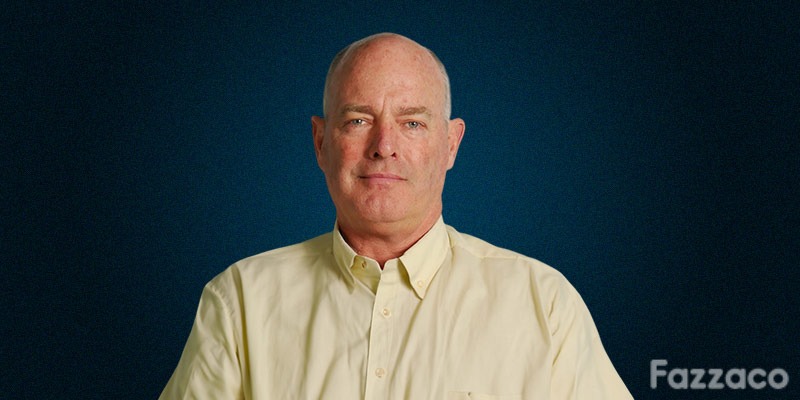
(Brad Alexander, CEO at FX Large & Director at Sun Hill Assets)
Now, looking back at SVG FSA's decision, Alexander believed that "...it is clear that the FSA of SVG never had the resources to police unscrupulous brokers so they had to do some serious 'damage control' when the complaints started to pile up," he continued. "My personal view is that the 'unlicensed broker' will not be in existence within 18 months. And, it won't be the likes of the good people of SVG who make that happen. The decision will be made by the banks, EMIs, and PSPs."
Alexandros Constantinou, Director and Head of Compliance Support Services at MAP S.Platis, also shared a similar view on SVG FSA's regulatory crackdown at the beginning of the year. MAP S.Platis is a Cyprus-based leading financial services consulting group with clients that include regulators, banks, funds, brokers and fintechs.
"This approach contained risks since those brokers without a license were largely unchecked and many have not been acting appropriately."
"Eventually, SVG's approach caught up and usually in such situations you see a drastic escalation of measures which are difficult to cope with and catch people by surprise," Constantinou added.

(Alexandros Constantinou, Director & Head of Compliance Support Services at MAP S.Platis)
Evdokia Pitsillidou thinks that SVG's requirement for brokers to obtain licenses is a step in the right direction, showing an intention to strengthen regulation and compliance. Pitsillidou is the Risk Compliance Manager at SALVUS Funds, which helps brokers, EMIs, crypto exchanges achieve regulatory compliance through licensing applications, compliance and internal audits.
"While it (SVG FSA) may be seen as a black sheep that tarnishes the industry's reputation, it's important to note that regulatory enforcement and compliance standards can vary across jurisdictions – without this necessarily indicating any national competent authority acting in bad faith," said Pitsillidou. "It is becoming increasing obvious that variations in regulatory requirements create challenges for market participants, including brokers and their clients, and lead to regulatory arbitrage."

(Evdokia Pitsillidou, Risk & Compliance Director at SALVUS Funds)
The Impact and Follow-up of This Event
When this news came out, it did spark a lot of discussion among SVG brokers. Especially those who did not have contingency plans, because brokers without licenses would face cancellation, reputation damage and related legal consequences.
Alexandros Constantinou said that among their institutional clients, many already had offshore licenses elsewhere and moved their business to one of their other entities. Many SVG brokers also contacted MAP S.Platis for assistance with new or existing licenses.
"Timing to secure a new license is the number one challenge. Selection of an alternative jurisdiction, setting up the new infrastructure (especially in terms of payments) and paperwork required are some other challenges faced. For some, an additional challenge is to incorporate any new regulatory requirements into their modus operandi."
SALVUS Funds, too, experienced an increase in license demand from SVG brokers. "Meeting the regulatory requirements of the chosen jurisdiction, which often involves demonstrating financial stability, adequate risk management systems, and compliance procedures", Evdokia Pitsillidou explained when talking about the most common challenges her clients usually faced.
Now that four months have passed since the "deadline" set by SVG FSA, what about those brokers who failed to meet the requirements? In our article at the beginning of the year, Fazzaco thought that SVG FSA would most likely not really strictly enforce its sanctions, after all obtaining a new license in such a short time is almost "Mission Impossible".
Alexandros Constantinou's observation was very consistent with our prediction: "The FSA gave in many cases extensions to allow the brokers either to fully fulfil their new requirements or allow them to exit SVG by either shutting down operations or transferring their activity elsewhere."
"From experience what we have seen the SVG FSA choose to remove from the FSA registry the entities offering Forex activities and flagged non-compliant. This action is followed in many entities instead of issuing penalties, warnings or legal actions," Evdokia Pitsillidou told Fazzaco. "Most of the companies choose the regulated jurisdictions for their FX license, other companies choose to either re-domicile their SVG entity or establish a new entity in St Lucia or Anguilla, yet these jurisdictions do not offer licenses."
As for how SVG FSA dealt with most brokers who failed to provide licenses on time, Brad Alexander answered: "To my knowledge, nothing seems to have happened. There are at least two schools of thought on this: 1) they will strike off a broker when they receive complaints, or 2) the whole thing was a big publicity stunt and a reputation damage control tactic by SVG."
How Will the Future of Offshore Forex Regulation Shape Up After the SVG FSA Incident?
For St. Vincent and the Grenadines, implementing a forex licensing system is the only way to ensure that more brokers choose the country as their regulatory destination in the future. And to implement FX regulation, a lot of investment is needed in infrastructure and manpower. "Then, the banks, EMIs and PSPs need to be convinced that these new licensed brokers will actually be properly regulated," Brad Alexander further explained.

Evdokia Pitsillidou had more specific expectations for how SVG FSA could strengthen its financial regulation:
"1) Providing further guidelines and support to brokers to facilitate compliance and reduce ambiguity; 2) Enhancing monitoring and supervision of brokers incorporated in the jurisdiction to identify any potential misconduct or non-compliance; 3) Collaborating with other regulators and jurisdictions to establish partnerships, information sharing, and mutual recognition of licenses; 4) Regularly reviewing and updating laws and regulations to address emerging risks, technological advancements, and industry best practices, and 5) An eventual introduction of a licensing process where thorough due diligence on applicants will be conducted to ensure they meet regulatory standards."
Final Thoughts
The results of this crisis are diverse. All three interviewees agreed that at least it had a positive effect to some extent in constraining the behavior of certain forex brokers and raising their awareness of compliance.
"(for the afffected brokers), the main lesson learnt here the hard way is to have contingency plans in place to be used in case circumstances change while the non-regulated forex industry appears to be currently under scrutiny and pressure and may no longer be able to do unregulated business in the near future," said Alexandros Constantinou.
Evdokia Pitsillidou agreed that brokers have improved their licensing awareness after what had happened and gave her professional opinions on what factors brokers should consider when choosing licenses from different jurisdictions: "Brokers should consider several factors, including: Regulatory reputation and oversight; assess the jurisdiction's specific compliance, reporting, and ongoing regulatory obligations; cost and operational considerations; market access and international recognition."

"As always, legitimate regulatory bodies are looking hard at those brokers who operate in other jurisdictions. Governments and regulators have also looked long and hard at the related banking and money handling institutions. Also, when a broker tries to change jurisdictions and/or sets up a new corporation, it causes great confusion with our good friends at MetaQuotes," Brad Alexander continued with a follow-up with his views on brokers obtaining licenses from the perspective of bank costs. "You get what you pay for. An inexpensive jurisdiction may come with a bad reputation and generate bad reviews when retail traders check you out online. Investigate the ongoing costs associated with each jurisdiction. You might be disappointed that an inexpensive license will incur high ongoing substance requirements. Also, check with your bank! Not every bank, EMI or PSP works with every jurisdiction, and/or they may charge higher fees for higher perceived risk. Often, a more expensive license will pay for itself with lower banking fees."
 Subscribe Now