


FDIC Chairman Gruenberg to Resign Amid Regulatory and Crypto Policy Challenges
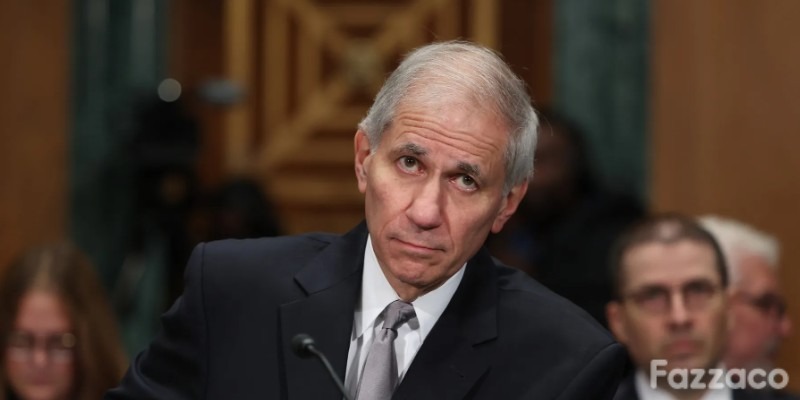 Martin Gruenberg, the long-serving Chairman of the Federal Deposit Insurance Corporation (FDIC), is set to step down effective January 19, 2025, bringing nearly two decades of leadership to a close. His departure comes at a critical juncture for the FDIC, as the agency faces contentious debates over traditional banking regulations and the challenges posed by cryptocurrencies.
Gruenberg has been a prominent figure in shaping the FDIC's approach to emerging financial technologies, particularly digital assets. A staunch critic of Wall Street, he has consistently cautioned against the rapid adoption of cryptocurrencies within the banking sector. He has emphasized the need for robust risk assessments and advocated stricter oversight, especially for stablecoins, suggesting their issuance be confined to permissioned blockchains to mitigate potential risks. Stablecoins, which are pegged to assets like the US dollar, have drawn increasing scrutiny for their potential to disrupt financial stability.
The FDIC under Gruenberg has also been navigating contentious rule-making projects, including new long-term debt requirements for regional banks and revisions to Basel III capital rules. His leadership, however, came under fire following a 2023 Wall Street Journal report that exposed internal misconduct, leading to widespread criticism of his tenure. Gruenberg had pledged to step down once a successor was confirmed, but Senate delays in approving President Joe Biden's nominee, Christy Goldsmith Romero, complicated the transition.
With his resignation clearing the path for President-elect Donald Trump to reshape the agency, Vice Chair Travis Hill is expected to assume interim leadership. Analysts suggest Gruenberg's decision to step down avoids a prolonged political battle, allowing the incoming administration to expedite its regulatory agenda. As Gruenberg exits, his influence on cryptocurrency regulation and traditional banking policies will continue to resonate in discussions about the future direction of the FDIC.
 Subscribe Now