


Following SVB Failure, US Acts to Shore up Banking System Confidence
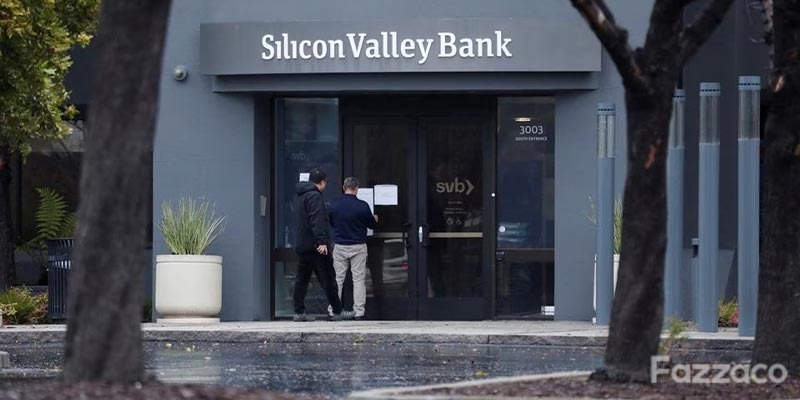
U.S. authorities launched emergency measures on Sunday to shore up confidence in the banking system after the failure of Silicon Valley Bank threatened to trigger a broader financial crisis.
After a dramatic weekend, regulators said the failed bank’s customers will have access to all their deposits starting Monday and set up a new facility to give banks access to emergency funds. The Federal Reserve also made it easier for banks to borrow from it in emergencies.
While the measures provided some relief for Silicon Valley firms and global markets on Monday, worries about broader banking risks remain and have cast doubts over whether the Fed will stick with its plan for aggressive interest rate hikes.
Regulators also moved swiftly to close New York's Signature Bank, which had come under pressure in recent days.
The wider efforts to avert a crisis lifted Wall Street stock futures in Asian trade on Monday, helping broader markets.
The Biden administration's intervention underscores how a relentless campaign by the Fed and other major central banks to beat back inflation is putting stress in the financial system and global markets.
The collapse of SVB - the largest bank failure since 2008 - sparked concerns over whether small-business clients would be able to pay their staff, with the FDIC only protecting deposits of up to $250,000.
Some 89% of SVB's $175 billion in deposits were uninsured as of the end of 2022, according to the FDIC.
All depositors, including those whose funds exceed the maximum government-insured level, will be made whole, according to a joint statement by U.S. Treasury Secretary Janet Yellen, Fed Chair Jerome Powell and FDIC Chair Martin Gruenberg on Sunday evening.
A senior U.S. Treasury official said the actions taken would protect depositors, while providing additional support to the broader banking system.
The risk would be borne by the Deposit Insurance Fund, which has sufficient funds to do so.
The Fed said it would make additional funding available through a new Bank Term Funding Program, which would offer loans of up to one year to depository institutions, backed by Treasuries and other assets these institutions hold.
(Source: Reuters)
 Subscribe Now