


HKMA Issues Regtech Guide on Adopting AI-based Solutions
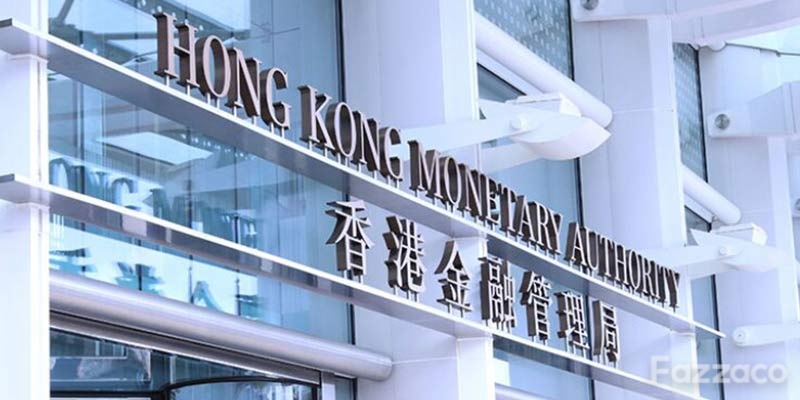
The HKMA (Hong Kong Monetary Authority) has released its sisth issue of the Regtech Adoption Practice Guide, focusing on Regtech solutions based on artificial intelligence.
Fazzaco Live Webinar on 12th May: How to Start Your Crypto Exchange From Scratch with B2Trader?
The guide highlights several key areas where banks can benefit from adopting AI-based Regtech solutions – including to streamline risk management and compliance processes, alleviate manual workloads, enable the detection of fraud patterns, monitor and analyse large datasets, and predict compliance or risk issues.
It also highlights key risks associated with the use of AI – including data privacy risks, biased or inaccurate outputs, and “black box” risk which can result from a lack of model transparency or explainability.
“Whether AI-based Regtech solutions are developed in-house or by vendor partners, it is important for banks to establish proper governance and controls to manage the related risks,” the guide says. “The effectiveness of AI applications depends on the availability of high-quality, diverse, and dynamic datasets.”
“Banks should therefore have the right data infrastructure in place (e.g. a data lake hosting data from multiple source systems) to ensure that all the relevant internal and external data are available and current.”
To address the risks associated with the use of AI, banks should establish a proper enterprise-level data governance framework which addresses the following components: people and organisation, process, policy and standard, technology, data quality, data suitability, and data security and privacy.
In addition, a robust AI governance framework is needed to enable and operationalise trust, accountability, and transparency in AI-based solutions. Currently, there is no industry-standard AI governance framework, however, banks can leverage the 12 high-level principles published by the HKMA in November 2019 when establishing their AI governance framework.
The guide highlights the need for banks to obtain documentation from third parties to ensure adherence to their AI principles – which should cover algorithm integrity, decision-making expainability, model fairness, and resilience to disruption.
Banks should also establish AI governance committees, to steer the development and use of AI, and consider implementing an AI-specific risk management framework, to facilitate the monitoring, identification, and prioritisation of AI-solution risks.
“A bank should maintain continuous control over the AI-based solution post-implementation,” the guide says, emphasising the need to acquire or develop the necessary capabilities and skillsets within the bank and conduct regular audits of AI-based solutions.
The guide provides a sample “standard project” implementation approach, as well as two case studies to highlight lessons learned, success factors and the benefits achieved through the implementation of AI-based solutions.
Source: Regulation Asia
 Subscribe Now