


Hong Kong’s Stablecoin Licensing Framework Begins Cautious Rollout
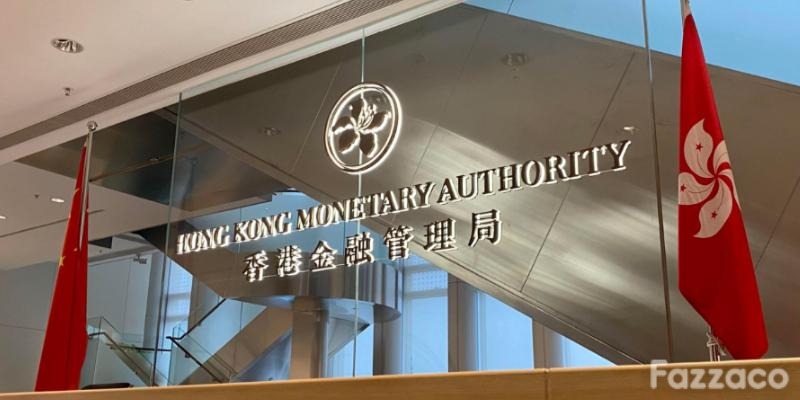 Hong Kong’s stablecoin regulation formally began on August 1, marking the start of a licensing regime under the Hong Kong Monetary Authority (HKMA). The city now subjects stablecoin issuers to oversight similar to that of banks, as it seeks to limit license grants and uphold regulatory rigor.
The HKMA expects to issue only a small number of stablecoin issuer licences in the first batch, likely early next year. Interested institutions may consult with regulators through August 31, with formal license applications due by September 30. No licences have been issued to date.
Under the new framework, prospective issuers must submit robust business plans, demonstrate adequate capital and risk controls, and present clearly defined token use cases. The HKMA intends to screen out applicants unable to meet its capital requirements or align with long-term viability standards. Penalties for non-compliant issuers include capital surcharges reaching up to 1,250 percent for certain stablecoin types.
Earlier participants in the legislative sandbox—such as Jingdong Coinlink Technology, RD InnoTech, and a joint venture involving Standard Chartered, Animoca Brands, and Hong Kong Telecommunications—have conducted trials in use cases spanning e-commerce payments, cross-border settlement, and tokenized asset trading.
Chinese firms including Ant International and Ant Digital (affiliated with Ant Group), and Hong Kong-based Web3 company IDA, have declared intentions to apply for Hong Kong stablecoin licences once the regime is live.
Analysts suggest that the licensing approach mirrors the city’s 2018 digital banking regime: only applicants with realistic, scalable business models and regulatory readiness will pass. The narrow issuance approach reflects HKMA’s intent to reinforce system credibility rather than encourage broad experimentation.
Industry observers note that a well-regulated stablecoin ecosystem could support wealth-management-related payments by attracting mainland Chinese clients and institutional investors, while also encouraging digital asset settlement activity.
HKMA’s regime is expected to prioritize applicants proposing HKD- and USD-backed tokens, with yuan-pegged variants facing additional scrutiny. Decision-makers aim to position Hong Kong as a reputable hub for tokenized financial infrastructure, leveraging its currency peg and connectivity with mainland markets.
As the first licenses await issuance, market watchers emphasize that Hong Kong’s incremental, risk-conscious approach may determine which entities can participate in the nascent but strategically important stablecoin economy.
 Subscribe Now