


Hotbed for Financial Crimes? AML/CFT Efforts in Top 6 Offshore Hubs
Offshore regulations are becoming increasingly stricter in recent years, yet the number of forex brokers has been growing. Especially after the Covid outbreak, online trading has seen unprecedented development. Previously, we have had discussions on offshore vs. onshore regulations. In a nutshell, the main difference between the two is whether a physical office address is required. Comprehensive comparisons have told us that offshore licensing is now the popular and cost-effective choice for numerous forex brokers.
Nevertheless, with the development of offshore finance, the number of various complex financial criminal activities continues to increase, and how they commit them continues to evolve as well. From the Panama Papers in early years to the banks' Suspicious Activity Reports, unveiled by FinCEN, they all have clearly reflected such a trend. Financial crimes have become more versatile. Criminals are taking advantage of the loopholes they detected in financial systems and carry out illegal transactions that are complex and multi-layered with emerging technologies (e.g. payment platforms and cryptocurrencies etc.). Financial criminal activities are posing threats against all countries, and they often involve environmental destruction and drug trafficking too.
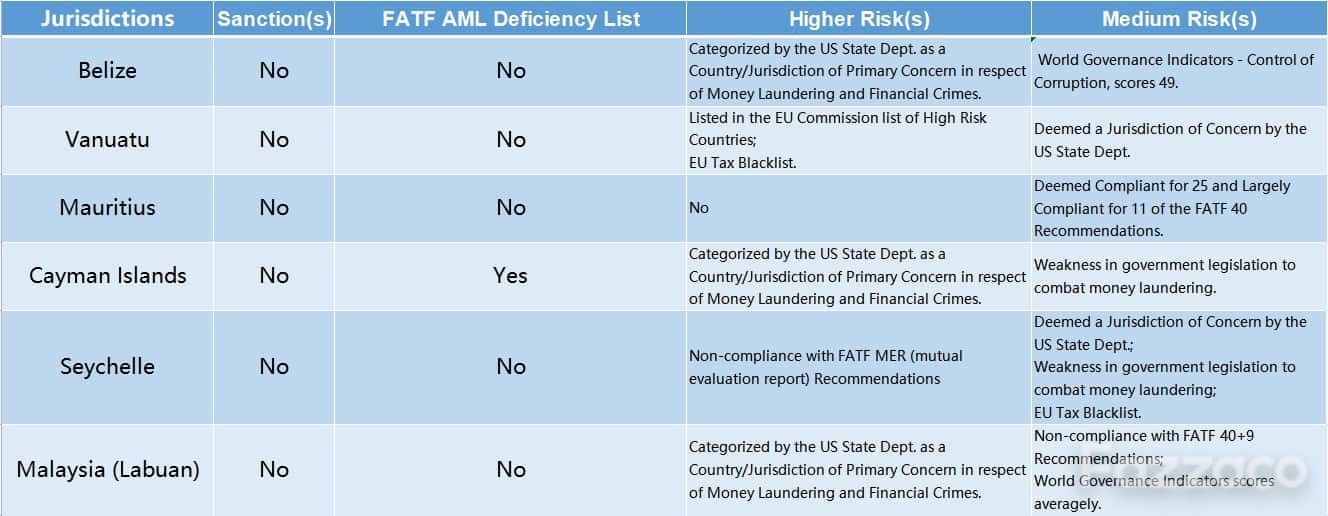
Anti-money laundering/anti-terrorism financing (AML/CFT) compliance reporting is an important task that regulators and their regulated brokers have to deal with. Then, let us go through the top 6 offshore hubs and see how they are doing in terms of such efforts.
Top 6 offshore hubs:
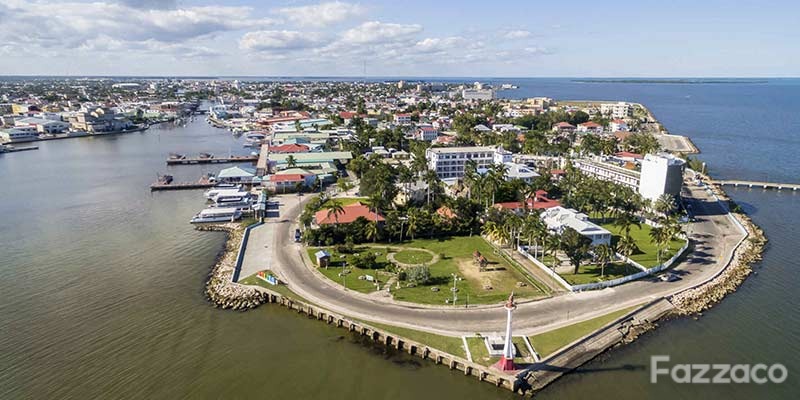
- Belize
Belize has made substantial efforts to enhance its AML/CFT regime, especially after it was placed on the EU Tax Blacklist by the EU Commission on March 12, 2019, believing that Belize had not delivered on their commitments since the first blacklist adopted in 2017. On November 8, 2019, the EU Commission confirmed that Belize has passed the necessary reforms to improve its tax regime for international business companies that was due to be implemented by end 2018.
At present, Belize's economy is still largely based on cash, and the country's remote position, porous borders, poverty, and lack of material and human resources make it vulnerable to illicit trafficking, illegal migration, transnational criminal groups, and corruption. Although it is a thriving offshore financial center, it isn't a major financial player in the area. The administration is working to address these weaknesses.
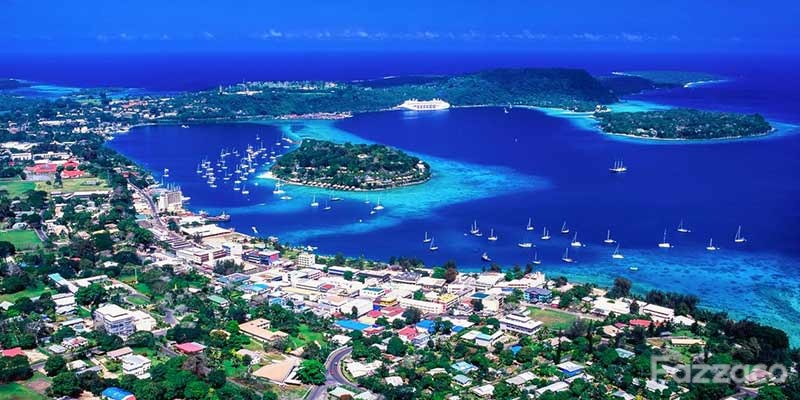
- Vanuatu
Vanuatu passed and implemented the Anti-Money Laundering and Counter-Terrorism Financing Act and AML/CFT rules in June 2014. Some, but not all, of the flaws in customer due diligence (CDD) were rectified by the AML/CFT Act and regulations.
Modifications have been implemented to the Proceeds of Crime Act and the Counter Terrorism and Transnational and Organized Crime Act in January 2015. However, the gaps pertaining to the criminality of money laundering and terrorist funding were not effectively addressed by these revisions.
FATF observes that Vanuatu has put in place the legal and regulatory framework necessary to achieve its obligations in its action plan in relation to the strategic shortcomings highlighted by the FATF in February 2016. As a result, Vanuatu is no longer monitored by the FATF as part of its continuing worldwide AML/CFT compliance procedure. Vanuatu will cooperate with APG to enhance its AML/CFT regime.
However, Vanuatu is on the EU Commission list of High Risk Countries.
- Mauritius
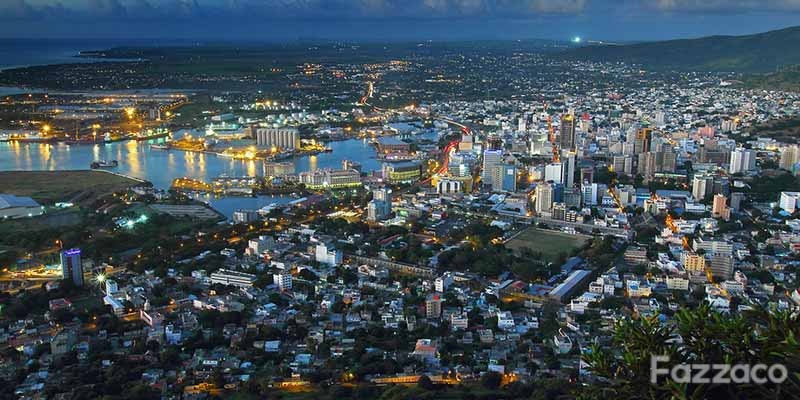
Despite its image as a well-regulated financial jurisdiction, Mauritius' regulatory and enforcement framework has numerous flaws.
Drug trafficking (particularly heroin and the prescription drug subutex), theft of goods, conspiracy, forgery, swindling, Ponzi schemes, and corruption are all key sources of laundered cash in Mauritius. Money laundering has been reported in the banking system, the offshore financial industry, and the non-bank financial sector, according to media sources. Criminal proceeds are derived from both domestic and foreign criminal activities.
- Cayman Islands
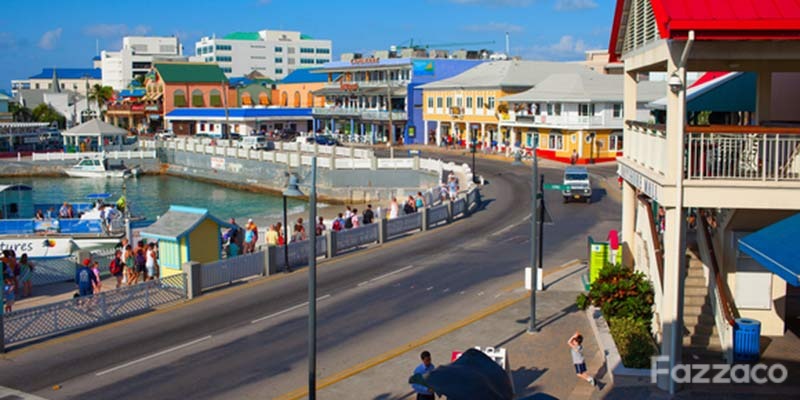
The Cayman Islands is a prominent worldwide financial hub. It is the world's seventh largest foreign holder of US Treasury bonds and the world's 12th largest holder of international assets and liabilities. The Cayman Islands had 122 banks, 144 trust company licenses, 144 company management and corporate service provider licenses, 776 insurance-related licenses, and five MSBs (Money Services Business) as of September 2019, providing a variety of services such as banking, structured finance, investment funds, trusts and company formation, and management.
On October 6, 2020, the EU removed the Cayman Islands from its tax blacklist, a list of non-cooperative jurisdictions designed to ensure tax transparency. Although being listed or removed from the list has no significant impact on the Cayman Islands, the legislative and regulatory reforms introduced by the government have made it easier to track assets in the offshore center.
- Seychelles
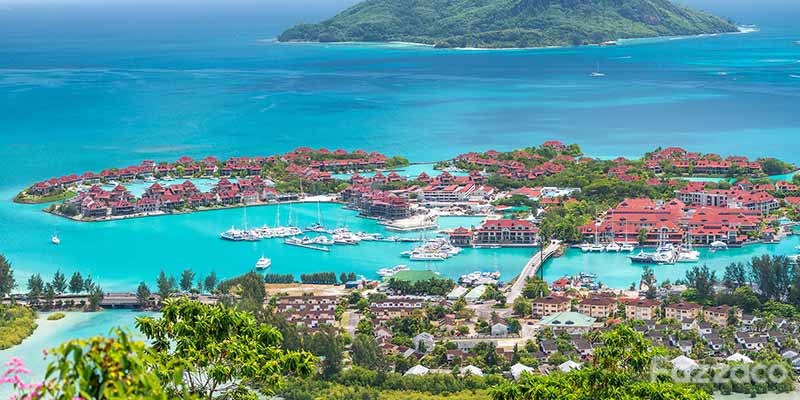
Seychelles is not a significant financial hub, but it aspires to be. The main sources of unlawful income, according to the Seychellois authorities, include drug trafficking, parallel market operations, theft, and fraud. Corruption is another issue.
The Government of Seychelles built an offshore financial industry to diversify its economy beyond tourism and fishing and to improve foreign exchange profits. It promotes itself as an offshore financial and business hub that permits nonresident business entities to register. These practices raise the possibility of money laundering, which the government is aware of.
The Financial Services Authority (FSA), which supervises and promotes the offshore non-banking financial industry, is entirely responsible for licensing and regulation, whilst the Seychelles Investment Board is responsible for marketing. The FSA is expected to have over 100,000 IBCs registered. FSA is required to report questionable transactions to the Financial Intelligence Unit (FIU), which reports directly to the President.
- Malaysia (Labuan)
Malaysia is a very open, upper-middle-income country that faces a variety of money laundering risks. The country's porous land and sea borders, visa-free policy for citizens of over 160 countries, strategic geographic location, and well-developed financial system make it vulnerable to domestic and transnational criminal activity, such as fraud, corruption, drug trafficking, wildlife trafficking, smuggling, tax crimes, terrorism, and terrorism financing.
Malaysia has an AML law that is mostly up to date, as well as well-developed regulations, institutional structures, and enforcement procedures. Increased money laundering investigations, charges, and convictions have proven that the nation is making success in its attempts to tighten AML enforcement.
 Subscribe Now