


How Forex CRM Providers Can Keep Up with Market Trends
 For the forex industry, customer acquisition hasn't been a concern for some time now. Record high trading volumes have been elevating forex brokers' businesses ever since the onset of Covid-19 pandemic. However, this has increased the pressure to maintain good and stable relationships with customers.
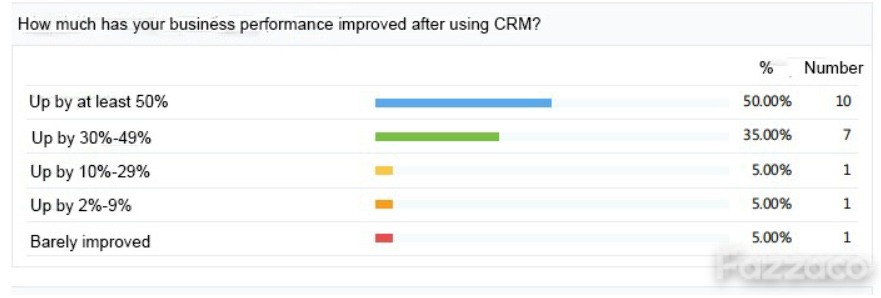
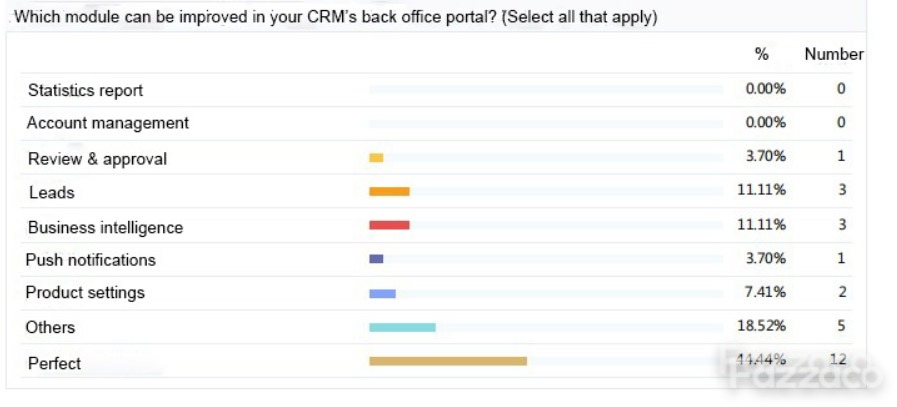
Gone are the days when just promotions, first deposit bonuses and webinars sufficed to keep traders happy and satisfied. A recent survey by Fazzaco on 21 forex brokers revealed that 90% of them reported better performance after using a Forex CRM. At the same time 50% of the brokers longed for optimized features, particularly in areas of lead generation and business intelligence.
It is clear that forex brokers require greater sophistication in CRM tools to keep traders happy and loyal to their brand. They need a purposefully built Forex CRM to deal with increasing competition and demands of the industry. Here are some ways to go about it.
Automated and Agile Task Management
Forex businesses need CRM platforms that are easy to use and customised to specific needs. The end goal is to use agile products with low-code capabilities that can enable businesses to automate their operations with minimal friction in a short span. Today, APIs serve as backbones to digital business ecosystems that confine networks of partners, developers and clients. They enable automation, as well as drive consistency, cost-savings and efficiency. Moreover, APIs can be used to build systems that can process huge amounts of customer data from various touchpoints.
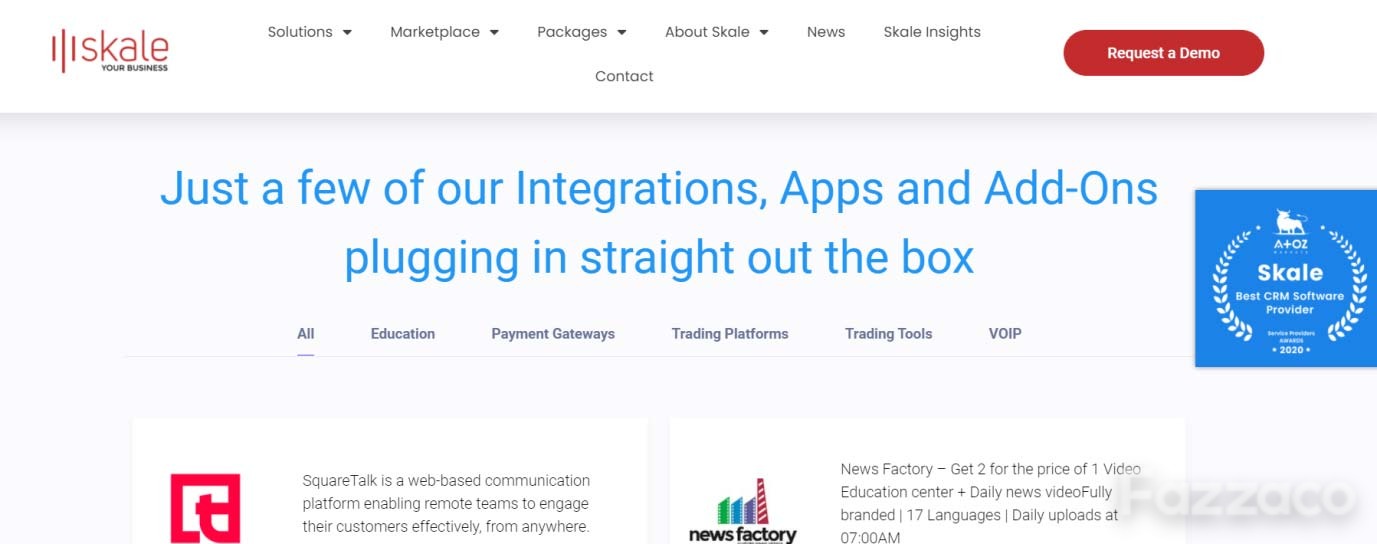
One of the best forex CRM providers in the market in this category is Skale, which has a finance-specific fintech stack, designed to support financial institutions. Over 150 third-party plugins can be connected to trading platforms through the Skale Marketplace, which can be personalised and deployed directly without developers, project managers or IT consultants.
The evolution of AI and machine learning will add more power to these CRM systems.
Leveraging AI and Machine Learning
Customer relationships are evolving in unpredictable ways. Digital convenience is a high priority for traders now, and they demand contextually rich and safe trading experiences on mobile devices and are willing to switch brands to get it. This creates unique data-driven challenges for brokers.
For the last few years, AI and machine learning have been at the helm of deriving meaning from unstructured customer data. Around 40% of B2B and 38% of B2C marketing leaders expressed their intent to leverage AI and machine learning in customer relationship management in 2020. But can AI transform forex CRM tools? Let’s take a look.
Predictive analysis and lead scoring can arm brokers with better information about their clients and provide greater efficiency to their sales departments.
It can connect disparate data points to alert brokers of clients’ pain points.
AI-based sales assistants or bots can automate manual-intensive processes and help brokers improve productivity.
With the integration of NLP, CRM tools can help brokers accelerate content production. The systems can organise personalised emails, client reports, and send out market analysis and more.
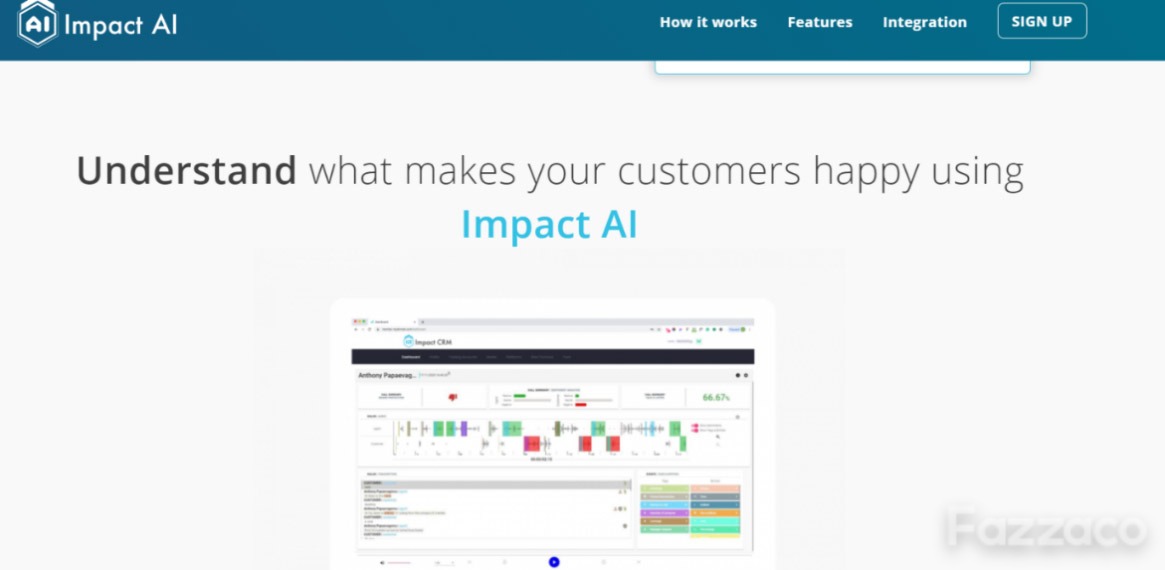
An example of a robust AI-driven CRM in the forex industry is that of Impact Tech, which helps brokers channel data from phone calls, live chat, emails, chatbots, PPC, social media campaigns, and even data regarding deposits and withdrawals to understand clients’ unique needs. Along with automated lead scoring and lead distribution tools, the CRM also helps in sentiment analysis, determining what actions the broker can take to drive sales.
The Rise of Mobile CRM and the Promise of 5G
With digitalized workforces emphasizing real-time access to critical information to foster streamlined operations, mobile CRM services have seen rapid growth. “CRM on demand” is a significant trend now in the forex industry, as businesses adopt cloud-based suites to enable scalability and flexibility.
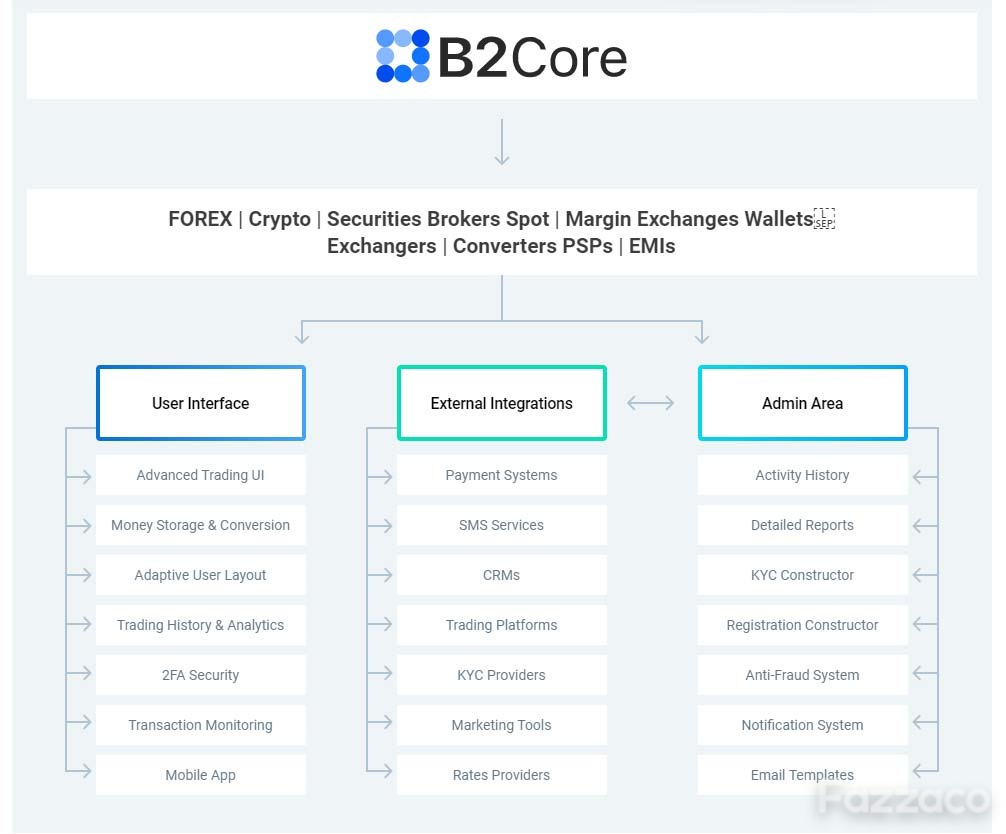
Not every forex CRM product is mobile-friendly though. This is a revelation, considering that businesses are now increasingly leaning towards connecting with their customers through mobile devices. For instance, B2Core is a state-of-the-art CRM platform that has a basic, advanced and enterprise version for brokers to choose from, depending on their trading volumes. However, it lacks a mobile version.
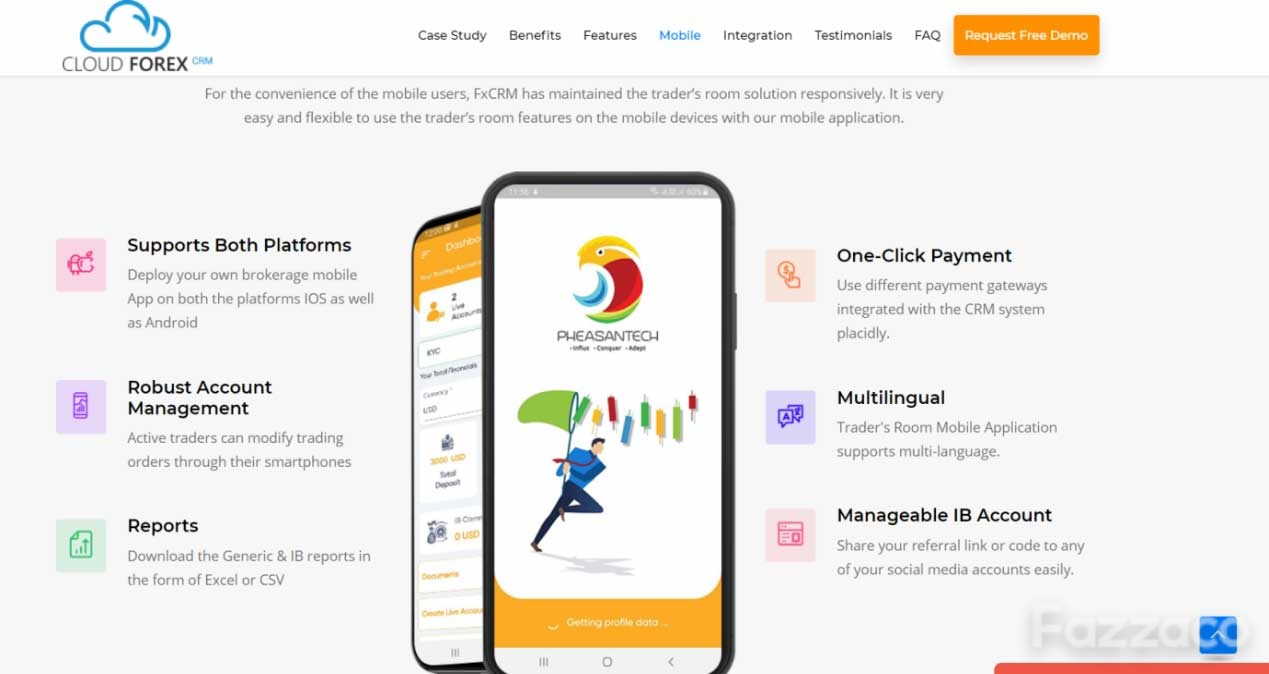
On the other hand, the Cloud Forex CRM by Pheasantech supports mobile functionality, giving brokers the ability to manage their customers’ accounts across multiple devices. Businesses can, not only deploy their own brokerage app on various platforms (iOS and Android), they can also generate customised reports and integrate various trading platforms, like MT4 and MT5, third-party tools and payment gateways.
Further, the advent of 5G promises new horizons for sales, marketing, and customer services. IDC says that despite economic concerns and ongoing lockdowns, 5G will remain the driving factor in the smartphone industry and 5G smartphone shipments will grow to 69% by 2025.
Download speeds will rise 1000-fold and latency will fall from 50 milliseconds to 1 millisecond. This will enable devices to connect at an unprecedented scale. Once that happens, brokers could enable real-time analytics to optimize and tweak campaigns using marketing automation or even AI.
Edge computing is one of the greatest promises of 5G, allowing brands to personalize the customer’s journey in real-time, as they show interest in specific trading products and services.
Innovations in KYC/RegTech
In an era of tightening regulations, especially in regards to the cryptocurrency market, brokers need robust and streamlined KYC processes. Various regulatory bodies, including the UK FCA, have introduced strong guidelines for KYC/AML protocols.
With advances in regulatory technology, it is now possible for brokers to link CRM front office systems with back-office KYC processes effortlessly. There is now a consistency in risk assessments across jurisdictions and business lines. Financial companies can maintain common standards, satisfy the needs of local regulators, and also apply global minimum standards, wherever necessary.
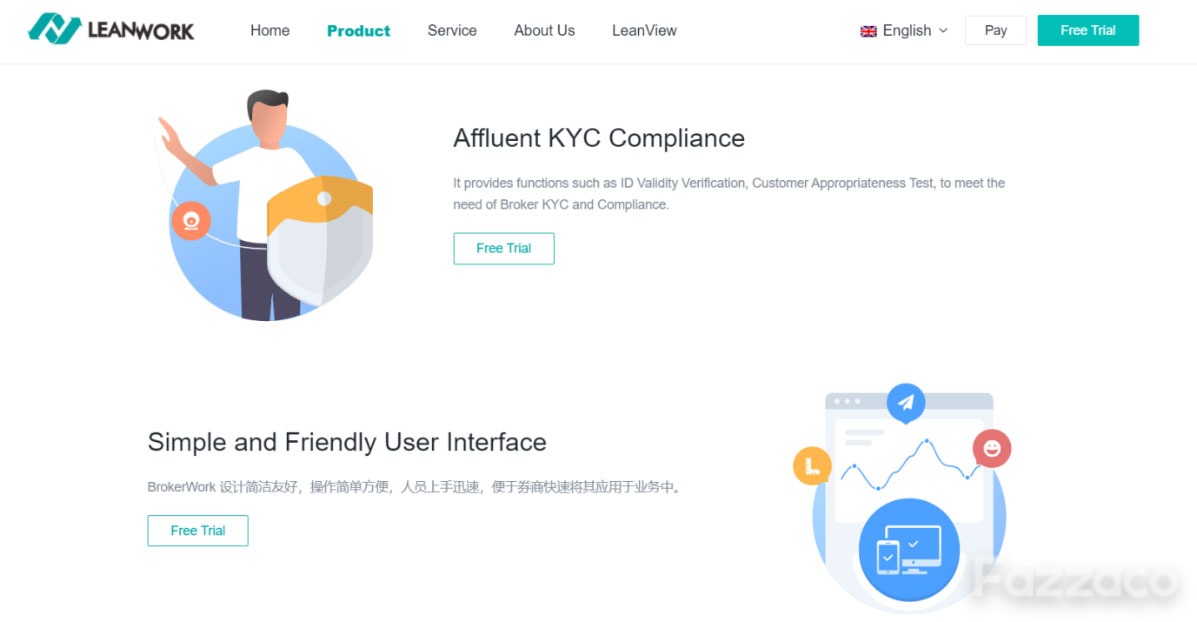
Sanfrix provides a unified back-office system with advanced CRM tools for KYC/AML, risk management and deep analysis reporting for crypto trading businesses. LeanWork offers features such as customer appropriateness tests to meet compliance and KYC needs.
To stay ahead of the competition and improve results, businesses will continue to invest in CRM software solutions. For forex CRM providers, staying up to date with the latest trends in technological evolution will ensure that they are able to satisfy the needs of their broker clients.
 Subscribe Now

