
Add Fazzaco to desktop

Add Fazzaco to desktop

Access Fazzaco from desktop next time

Add now
English

India Proposes to Decriminalise Bounced Cheques

Source: Regulation Asia Editors, Regulation Asia
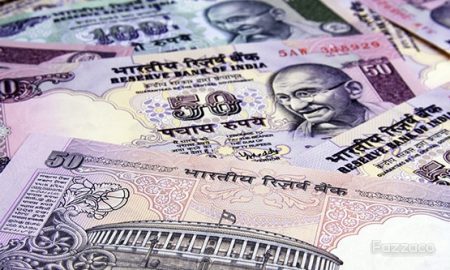
Currently in India, bounced cheques can carry a jail sentence of up to two years and a fine up to twice the value of the cheque, or both.
India’s government is reportedly looking to reclassify several offences under financial sector laws – including the bouncing of cheques – as civil rather than criminal offences to improve the ease of doing business and ease the burden on courts.
The DFS (Department of Financial Services) has sought public comments on decriminalising 39 sections in 19 acts under its administrative purview including the Banking Regulation Act, the Reserve Bank of India (RBI) Act, the Insurance Act and the Negotiable Instruments Act.
“Criminalising procedural lapses and minor non-compliances increases burden on businesses and it is essential that one should re-look at provisions which are merely procedural in nature and do not impact national security or public interest at large,” the DFS said.
Under the Negotiable Instruments Act, bounced cheques can carry a jail sentence of up to two years and a fine up to twice the value of the cheque, or both.
Under the Banning of Unregulated Deposit Schemes Act, accepting public deposits in unregulated schemes can carry a jail sentence of up to 10 years and a fine up to twice the amount of total deposits.
Under the RBI Act, false advertising and operating as an unregistered NBFCs can also lead to jail terms and fines.
The government says uncertainty in legal processes and the time taken for court resolutions hurt the ease of doing business in India, impacting business sentiment and hindering domestic and foreign investment.
If the offences are decriminalised, they will then be punishable only by monetary penalties, not jail time.
Create Company Page