


Iranian Crypto Activity Slows Amid Internet Restrictions, Bitcoin Sees Use as Hedge
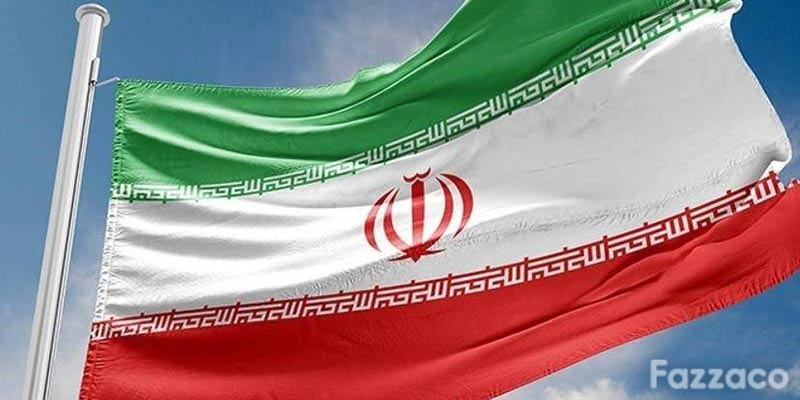
When U.S.-Israeli strikes on Iran began last weekend, local cryptocurrency activity did not see a surge of panic selling. Instead, transaction volumes and flows on Iranian platforms fell sharply. This decline coincided with sweeping internet restrictions enforced by authorities and exchanges shifting into defensive operational modes. Analysis from TRM Labs shows Iran's largest exchange, Nobitex, recorded approximately $3 million more in combined inflows and outflows around the time of the strikes. These movements remained within its historic operating range and likely reflected internal treasury management rather than capital flight.
Despite the escalating regional conflict, crypto traders in Iran are increasingly treating Bitcoin as a financial lifeline. Reports and on-chain data indicate increased buying activity followed by large withdrawals from local exchanges into self-custody wallets, a strategy to hedge against domestic uncertainty and potential banking restrictions.
The slowdown was precipitated by severe internet blackouts. Connectivity reportedly fell by about 99% as the regime imposed restrictions, a tactic also used during the 2025 Iran-Israel conflict. Local exchanges, which share key infrastructure, were further impacted. Wallex cited a power problem at the Asiatech data center, a facility also used by Nobitex, highlighting a single point of failure. Trading volumes between February 27 and March 1 fell by roughly 80%.
Against this backdrop, Nobitex's wallet activity drew attention. TRM identified an extra $3 million in activity on February 28 versus the prior day, partly driven by an internal transfer to cold storage. Analysts also flagged a separate cold storage movement of over $35 million but classified it as routine liquidity management, not large-scale withdrawals. Nobitex has processed around $5 billion in volume since the start of 2025. The exchange kept services open "to the extent possible" but warned of delays. Other platforms like Ramzin and Tabdeal implemented pauses or batch withdrawals, while Wallex suspended crypto withdrawals indefinitely citing infrastructure instability.
The most consequential intervention came from Iran's Central Bank. It directed several major exchanges to temporarily suspend trading in the USDT-toman pair, the primary bridge between dollar-linked stablecoins and the Iranian rial. This move likely aimed to slow rapid repricing of the rial and limit the speed at which savers could rotate into dollar exposure. TRM estimates Iran-linked wallets have processed around $11 billion in crypto since the beginning of 2025.
 Subscribe Now