


Israel to Prohibit Corporate Cash Purchases above $1,700 to Improve Anti-Money-Laundering Efforts
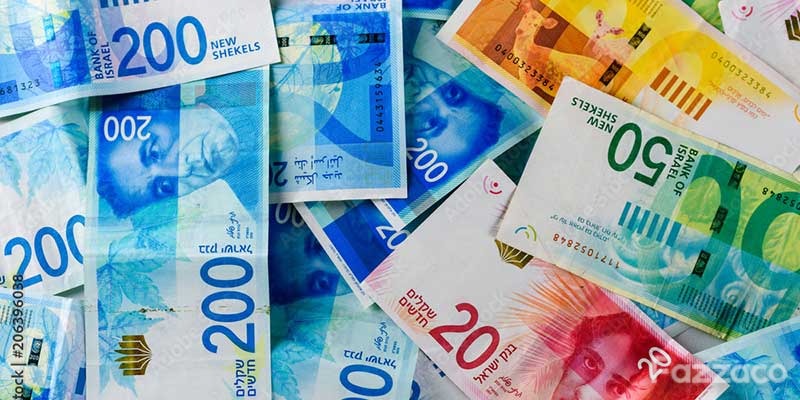
Payments of large sums of money in cash and bank checks will be further restricted in Israel by amendments set to take effect on Aug. 1. Tax officials want to further reduce the circulation of cash in the country, thus hoping to curb illegal activities such as the laundering of illicit funds and tax non-compliance.
Under the new legislation, companies will be required to use non-cash methods for any transaction exceeding 6,000 shekels ($1,700), a notable decrease from the previous ceiling of 11,000 shekels ($3,200). The cash limit for private individuals who are not registered as business owners will be 15,000 shekels (close to $4,400).
Reducing the use of cash is the main purpose of the law, according to Tamar Bracha, tasked with executing the rules on behalf of the Israel Tax Authority.
"The goal is to reduce cash fluidity in the market, mainly because crime organizations tend to rely on cash. By limiting the use of it, criminal activity is much harder to carry out."
When the bill passed there were over a million citizens without bank accounts in Israel. The law would prevent them from conducting any business and would, practically, turn 10% of the population into criminals.
An exemption for trading with Palestinians from the West Bank and charities active in the ultra-Orthodox communities has also sparked controversy. Deals with large amounts of cash will be allowed in these cases, provided they are thoroughly reported to the tax administration. Goldman thinks this is unfair to the rest of the society.
Meanwhile, the Bank of Israel has been exploring the option to issue a digital shekel, another form of the national fiat which is supposed to have cash-like features. The majority of the respondents in public consultations carried out by the monetary authority have been supportive of the plan, the results published in May revealed.
Source: Bitcoin.com
 Subscribe Now