


Japan Eyes Crypto Tax Overhaul and Stablecoin Approval
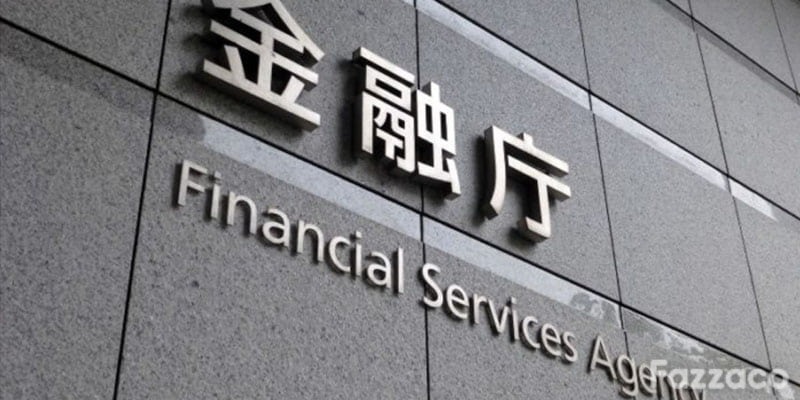
Japan's Financial Services Agency (FSA) is preparing to seek changes to the country's tax system for cryptocurrencies, aiming to align it more closely with the treatment of stock investments, according to a report by Nikkei.
Currently, individuals in Japan must declare crypto trading gains as miscellaneous income, where profits are combined with salary and other income and taxed at progressive rates up to 55%. This framework was introduced after the 2017 initial coin offering (ICO) boom. Critics argue that it has discouraged retail investors and pushed startups overseas. By contrast, stock and foreign exchange gains are taxed separately at a flat rate of about 20%.
The FSA intends to request a shift in 2026 that would place crypto gains into their own tax category, subject to a 20% flat rate, similar to equities. Industry groups have also lobbied for the ability to carry forward trading losses for up to three years, which they say would make the environment more competitive and predictable.
Alongside the tax proposals, the FSA plans to reclassify cryptocurrencies under the Financial Instruments and Exchange Act, treating them as financial products rather than as payment instruments. Officials say this change would allow the introduction of exchange-traded funds (ETFs) tied to crypto assets, managed under the same framework as equity or commodity funds. Japan's ETF market currently exceeds ¥80 trillion ($560 billion), but so far no crypto ETFs have been approved. Japanese investors have instead relied on products available overseas.
The regulator is also moving forward with stablecoin regulation. The country's first yen-denominated stablecoin, JPYC, is expected to receive approval later this year. The token, backed 1:1 by bank deposits, will be issued by JPYC Inc. in partnership with Minna Bank, a digital bank owned by Fukuoka Financial Group. The company has said it intends to issue up to ¥1 trillion ($6.8 billion) worth of the stablecoin within three years.
Japan's regulatory approach to digital assets has evolved significantly over the past decade, from tightening rules after the Mt. Gox and Coincheck incidents to enabling orderly withdrawals for customers of FTX Japan in 2023. Officials now characterize the current stage as "Phase 2," moving from investor protection to active support for digital finance growth.
 Subscribe Now