


New Legislation on Stablecoins to Introduce in Hong Kong
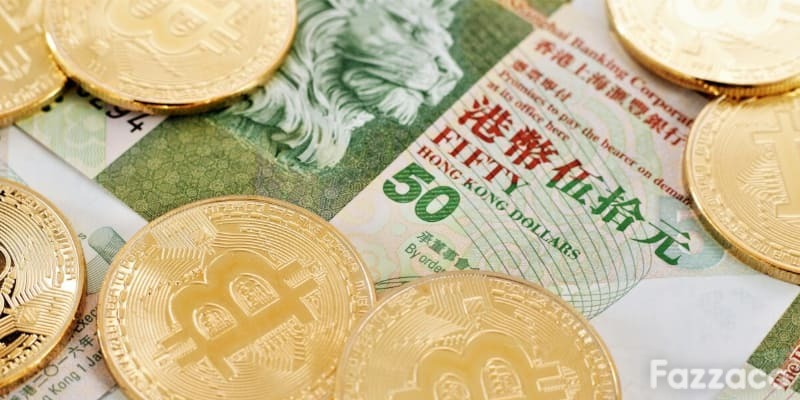 The Hong Kong government is advancing its regulatory framework for stablecoins by introducing a bill aimed at overseeing virtual tokens. This legislative proposal is seen as a crucial step to ensure financial stability while also addressing consumer protection in the rapidly evolving landscape of virtual assets.
The move follows a public consultation conducted by the Hong Kong Monetary Authority (HKMA) and the city’s financial affairs office in July, which included input from industry stakeholders. As part of the consultation process, three stablecoin issuers were invited to test the use of their tokens in various scenarios.
Under the new regulatory regime, any entity wishing to issue fiat-pegged stablecoins or tokens claiming to maintain a stable value against the Hong Kong dollar will need to obtain a license from the HKMA. The requirement extends to those actively marketing such tokens to the public, as stated in the government’s announcement.
The HKMA will have the authority to supervise, investigate, and enforce compliance with the new regulations. The Stablecoins Bill is set to be presented to the Legislative Council for its first reading on December 18.
Christopher Hui Ching-yu, Secretary for Financial Services and the Treasury, emphasized the importance of this legislative framework in fulfilling Hong Kong's commitments to the Financial Stability Board. He noted that the risk-based approach aims to foster a strong regulatory environment that aligns with the city’s strategy for developing virtual assets.
The draft legislation outlines key elements, including the definition of stablecoins, licensing processes, and transitional provisions for current issuers. It also specifies certain activities as illegal, such as misleading representations intended to induce purchases of stablecoins. Licensed issuers must demonstrate sufficient financial resources and liquid assets to fulfill their obligations, with a minimum paid-up capital requirement of HK$25 million (approximately US$3.2 million).
The detailed framework spans nearly 300 pages, a significant expansion from the initial 30-page consultation paper. According to Andrew Fei, a partner at King & Wood Mallesons, the proposed definition of stablecoins is comprehensive and adaptable, covering those operating on distributed ledgers as well as similar data repositories.
Lawrence Chu, co-founder of IDA, a Web3 digital asset firm based in Hong Kong, noted that this legal framework could unlock significant opportunities. He pointed out that stablecoins facilitate efficient cross-border transactions and offer businesses around-the-clock digital payment services. The integration of Hong Kong dollar-backed stablecoins into the financial ecosystem is expected to enhance cross-border trade and reinforce Hong Kong's position as a digital asset hub.
Hong Kong is among a select group of jurisdictions taking steps to regulate stablecoin issuers, following similar initiatives in the European Union and Japan. Meanwhile, Singapore and the UK are developing their regulatory frameworks, while the United States has yet to implement any specific regulations in this area.
As the global landscape increasingly embraces transactions within the Web3 ecosystem, experts anticipate a rising volume of transactions settled using stablecoins, prompting Hong Kong regulators to consider potential risks to financial stability.
 Subscribe Now