


PBOC Cuts RRR for Banks to Stablize Macroeconomic Market
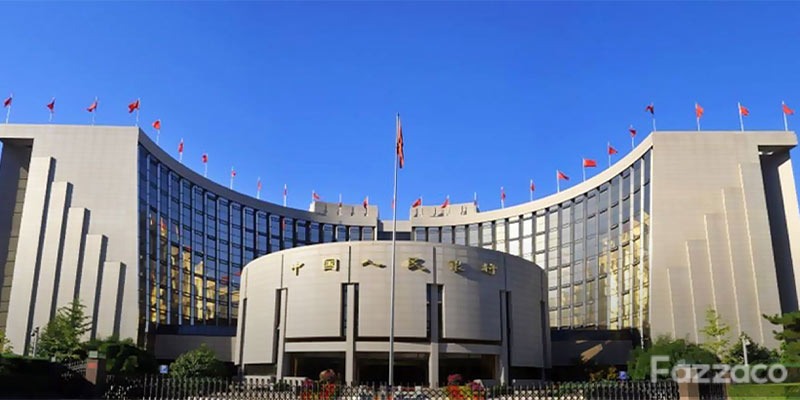
The PBOC (People's Bank of China) on Friday (15 April) announced a reduction in the RRR (reserve requirement ratio) for financial institutions by 0.25 percentage points to a weighted average of 8.1 percent, effective 25 April.
The weighted average RRR was 8.4 percent after the PBOC reduced the RRR by 0.5 percentage points in December 2021, freeing up CNY 1.2 trillion at the time.
The latest move is expected to free up about CNY 530 billion (USD 83 billion) in banking system liquidity, which the PBOC says is intended to support the development of the real economy and the stability of financing costs.
The PBOC said the RRR cut would boost the long-term funds for banks, enabling them to increase support for industries and businesses affected by Covid-19 outbreaks, while also lowering costs for banks.
City commercial banks that do not operate across provinces and rural commercial banks with an RRR higher than 5 percent are entitled to an additional cut of 0.25 percentage points. This is intended to provide greater support to SMEs, farmers and rural areas, the PBOC said.
The RRR cut comes as China faces heightened global risks from the war in Ukraine, widespread Covid-19 lockdowns, a weak property market, signs of fatigue in the country's exports, and rising risks of a recession.
The PBOC said it is committed to keeping liquidity broadly stable and maintaining a prudent monetary policy, while it closely watches inflationary trends and policy changes in other countries.
The cut has been widely expected after Premier Li Keqiang said on Wednesday (13 April) that there would be a timely reduction in the RRR and that monetary policy tools should be used in a timely way to bolster growth.
Source: Regulation Asia
 Subscribe Now