


RBI Plans to Commence Limited Pilot Launch of CBDC
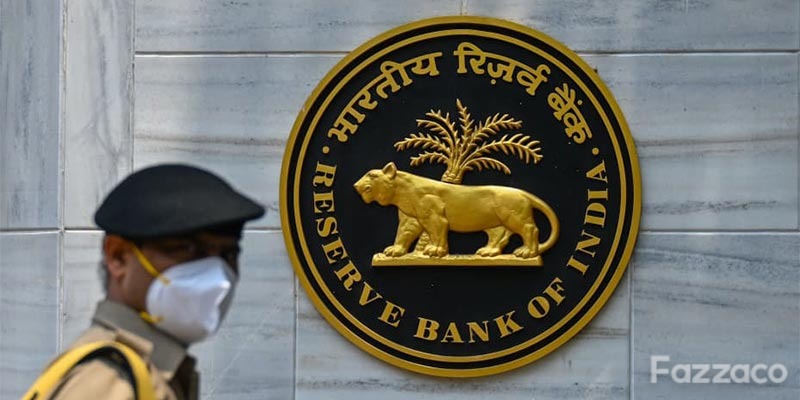
The RBI (Reserve Bank of India) has announced plans to "soon" commence a limited pilot launch of a CBDC for specific use cases.
The government had said in the Union Budget in February that it would launch a CBDC in fiscal 2023. In March, amendments were made to the Reserve Bank of India Act to enable the issuance of the CBDC and the pilot.
In a concept note issued on Friday (7 October), the RBI said the CBDC will be an additional option to the currently available forms of money, and would not be substantially different from banknotes, but that it will likely be easier, faster and cheaper to use.
The CBDC, to be known as the e-rupee, would reduce the operational costs involved in physical cash management, while fostering financial inclusion and bringing resilience, efficiency, and innovation to the payments space, the note said.
The RBI stressed the importance of privacy and data protection in the CBDC system, which it said could provide members of the public a risk-free virtual currency and give them legitimate benefits without the risks of dealing in private virtual currencies.
Indeed, the central bank said one of the reasons to introduce a CBDC is to safeguard trust in the Indian rupee, relative to crypto assets.
The RBI added that the CBDC – being a sovereign currency – holds unique advantages of central bank money: trust, safety, liquidity, settlement finality and integrity.
The concept note says offline features in the CBDC could be beneficial in remote locations and when electrical power or mobile networks are not available, and that the CBDC could also be used for real-time cross-border transactions.
The RBI said the CBDC will be issued for both retail (token-based) and wholesale (account-based) use. The wholesale version will help to improve the efficiency of inter-bank payments and securities settlement, including for transactions in the G-Sec segment, the inter-bank market and the capital market.
The RBI has yet to decide whether to issue the CBDC on a centrally controlled database or on a distributed ledger, but said it will lean towards the option that offers strong cybersecurity, technical stability, resilience, and sound technical governance standards.
To avoid potential disintermediation in the financial system resulting from loss of deposits by banks, which would impede credit creation, the RBI said it would be more logical to offer non-interest bearing CBDCs.
The RBI said it is working towards a phased implementation strategy, and that multiple stages of pilots would be needed before a final launch.
 Subscribe Now