


Russian Central Bank Cites Bitcoin Mining as a Supporting Factor for the Ruble
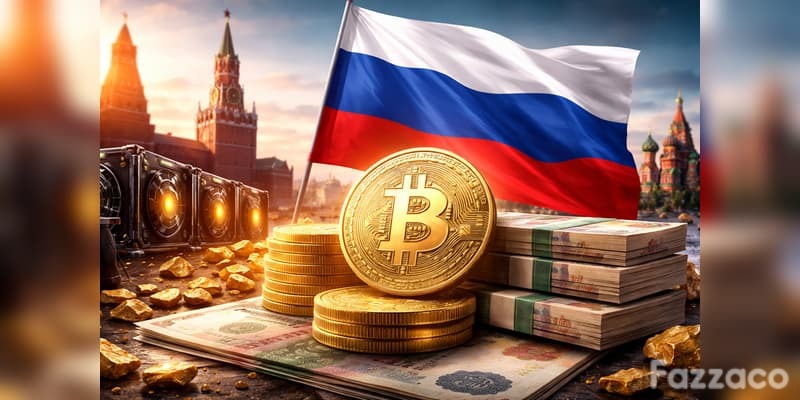
The Russian Central Bank has publicly acknowledged that domestic Bitcoin mining activity is contributing to the stability of the ruble, signaling a notable shift from its previously hardline position on cryptocurrencies.
In an interview with Russian media outlet RBC, Central Bank Governor Elvira Nabiullina said the inflow of value generated by Bitcoin mining has become an auxiliary factor supporting the national currency's exchange rate. While emphasizing that the precise impact is difficult to measure, she noted that a large portion of the mining sector continues to operate in a legal gray area. Nevertheless, Nabiullina described mining as a "tangible macroeconomic variable" that cannot be ignored.
The comments represent a pragmatic change in tone for an institution that has historically advocated a total ban on cryptocurrencies. The acknowledgment comes amid prolonged economic pressure on Russia, during which authorities have explored alternative financial channels to manage liquidity and mitigate the effects of international sanctions.
A similar shift is emerging within the Russian State Duma. Anatoly Aksakov, Chairman of the Duma's Financial Markets Committee, said Bitcoin would not be recognized as legal tender for everyday domestic transactions, but its role as a strategic investment and a potential "new export item" is increasingly evident. Lawmakers are now discussing a framework that could allow licensed banks to provide regulated crypto trading services.
Under the proposed approach, digital assets produced through industrial mining would be treated as commodity exports. Officials argue that formalizing these flows could help bring billions of dollars currently moving through informal channels into the regulated financial system, improving transparency and aiding ruble exchange rate forecasting.
Looking ahead to the 2026 fiscal year, the Central Bank is holding discussions with the Ministry of Finance and the financial monitoring agency Rosfinmonitoring on new regulatory measures. The goal is to move crypto-related transactions out of the shadow economy, enabling oversight, taxation, and potential use in international settlements.
Market observers expect that large financial institutions may eventually be permitted to launch pilot crypto trading programs, primarily aimed at corporate clients and high-net-worth individuals. The evolving policy stance suggests Russia is exploring ways to integrate decentralized digital assets into its broader financial framework while maintaining control over monetary policy and financial stability.
 Subscribe Now