


Silver Climbs to Record Near $92 as Fed Scrutiny, China Curbs and Industrial Demand Tighten Market
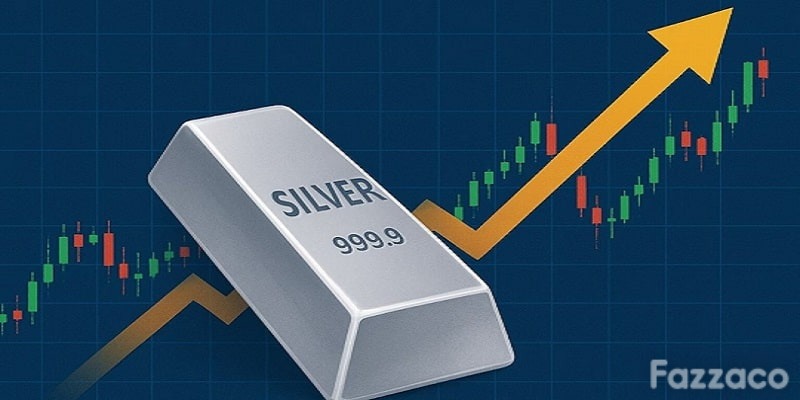 Silver prices surged to a new all-time high this week, briefly touching around $92 an ounce, as a mix of political uncertainty in the United States, tighter exchange risk controls and growing supply constraints reshaped sentiment around the metal.
The rally extended a sharp move that began late last year and accelerated amid unusual developments at the Federal Reserve. Markets reacted after Fed Chair Jerome Powell disclosed that the U.S. Department of Justice had served subpoenas related to a multibillion-dollar renovation of the central bank’s Washington headquarters and his testimony on the project. The investigation has introduced rare personal and institutional uncertainty into U.S. monetary policy, unsettling investors and lifting demand for perceived safe-haven assets.
Silver’s rise has coincided with strength in gold, though the white metal has outpaced its larger counterpart. Prices were trading near $88 earlier in the week, already above the previous record of just over $86, before pushing higher during Wednesday’s session.
Volatility prompted a response from exchanges. CME Group said it had adjusted margin requirements on precious metals contracts, moving from fixed dollar margins to a percentage of each contract’s notional value. The exchange described the change as part of a routine volatility review, but the timing underscored concern about sharp intraday price swings.
Beyond financial flows, analysts point to sustained growth in industrial demand as a key support. Silver remains a critical input for solar panels, electronics, photonics and electric vehicles, where its conductivity and reliability offer limited near-term substitutes. This has helped keep physical demand resilient even as prices rise.
At the same time, supply-side pressures have intensified. China’s move in late 2025 to restrict silver exports, part of broader controls on strategic materials, has highlighted what some observers describe as “resource nationalism.” The restrictions landed in a market already facing deficits, reinforcing silver’s role not just as a monetary asset but as a strategic commodity within an increasingly politicised global supply chain.
Market structure strains have also become visible. Spot prices for physical silver have, at times, moved above the net asset value of some exchange-traded funds, reflecting liquidity frictions between physical inventories and exchange-listed products.
From a technical perspective, momentum indicators suggest caution. Silver’s 14-day relative strength index has moved deep into overbought territory, signalling strong upside momentum but also raising the risk of a pause or pullback. Analysts are watching support levels around $81, with a deeper retracement potentially targeting the low $70s if volatility intensifies.
Despite near-term risks, longer-term expectations remain elevated among some investors. Forecasts circulating in the market envisage silver reaching $100 an ounce if geopolitical tensions persist, central banks maintain a dovish bias and supply constraints remain unresolved. Those projections are closely tied to assumptions about central bank independence, rate-cut expectations and the durability of industrial demand tied to energy transition and digital infrastructure.
For now, silver’s record-breaking run reflects a convergence of geopolitical stress, policy uncertainty and structural demand, leaving markets sensitive to developments ranging from export controls to shifts in monetary policy rhetoric.
 Subscribe Now