


Smart Picks: Finding the Right Stock Alert Match
Starting out in trading can feel overwhelming. There are many stock alert services that promise quick gains and easy wins. But not all alerts are built the same, and more importantly, not all are built for you.
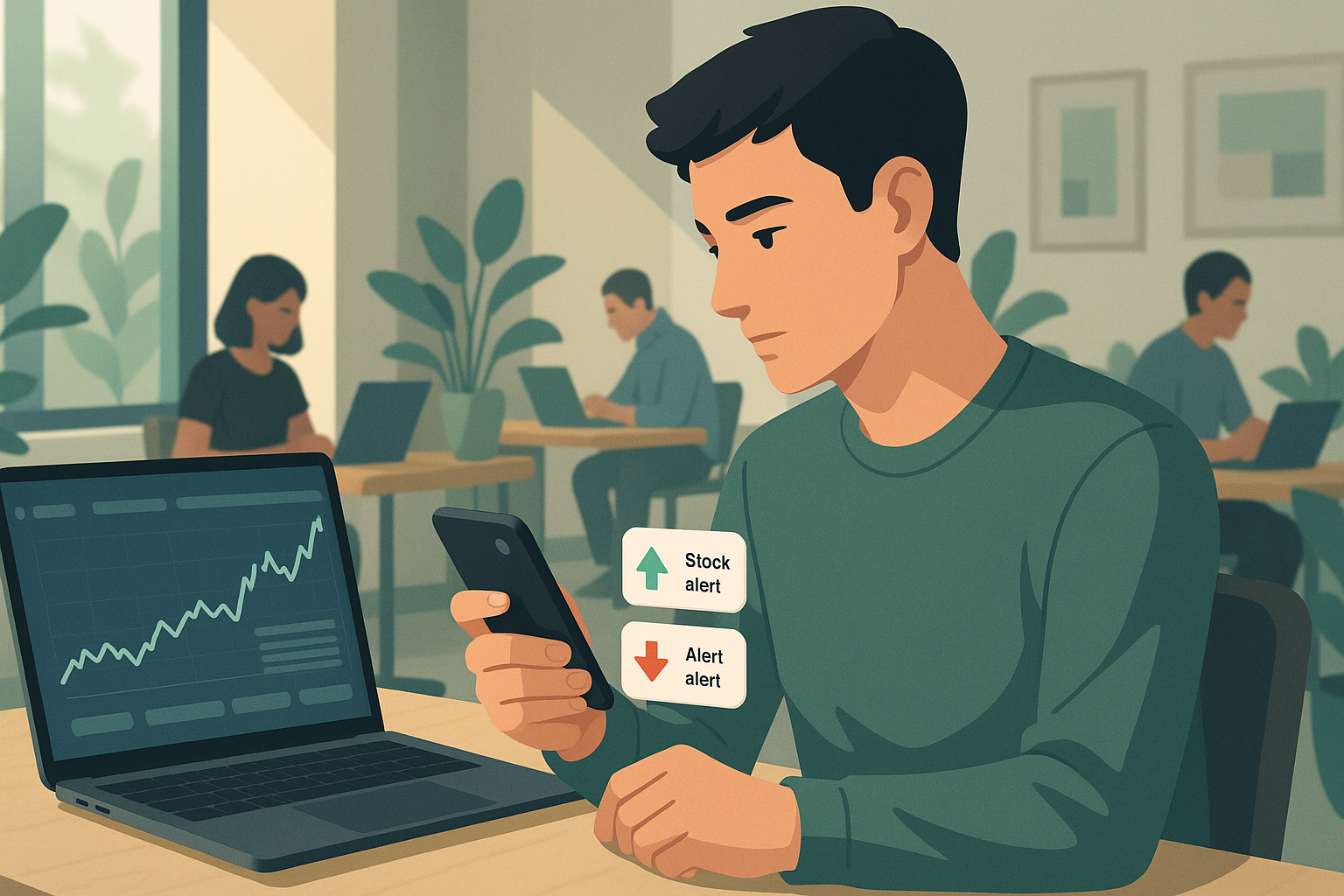
Finding a stock alert tool that suits your trading style can save time, reduce stress, and enhance decision-making. Let's simplify the process without jargon or hype.
What Stock Alert Services Actually Do
Stock alert services send you a heads-up when something important happens in the market. It could be a sudden price move, a technical breakout, or a big jump in trading volume. The idea is to help you act quickly, or at least know when to start paying attention.
Stuff You Should Expect From a Good Service
Speed: You get the alert as fast as possible (not 10 minutes later).
Delivery: Alerts can come by text, email, app notifications, or even browser pop-ups.
Options: You can set what you want alerts for, like specific stocks or price levels.
Compatibility: Some services link to your broker or trading platform.
“Instant alerts can be the difference between catching a wave or wiping out.”
Pick What Fits: Matching Alerts to Your Trading Style
Not everyone trades the same way, and that’s totally okay. Some people are glued to the screen all day, while others check in once a week. Your alert service should match your rhythm.
Here’s a quick cheat sheet:
You Trade Like... | You Should Look For... | Why It Matters |
Day Trader | Super fast alerts and tech setups | You move fast, need quick updates |
Swing Trader | Trend-focused and chart-based alerts | You’re in it for a few days/weeks |
Long-Term Investor | Big-picture insights matter most | |
Beginner | Simple signals and easy explanations | Learning while doing is key |
Best Real-Time Stock Trading Alerts for Fast Movers
If you’re trading daily or jumping in and out of positions fast, real-time alerts are your best friend. These services send info the moment something important happens - before the window closes.
What Active Traders Usually Want
Alerts tied to big market moves or breaking news
Signals based on technical indicators (like moving averages)
Tools that help you react right now
Services like TradeGateHub are popular for good reason, they’re fast, flexible, and used by pros. They’ll send you an alert for a breakout, plus show you why it matters and even suggest possible entries and exits.
“Timing isn't just everything. In trading, it's the only thing.”
Stock Alert Signals for Beginners: Where to Start
When you're new to all this, getting flooded with alerts and buzzwords can be confusing. The best beginner services keep it simple and explain what’s going on.
Good Starter Features
Alerts come with a short reason why it was triggered
Info on the risk level of the trade
Practice tools like demo or “paper” trading
Free vs Paid Alerts: What’s the Real Difference?
There are some decent free tools out there, but once you get serious, you’ll notice what’s missing. Paid services usually give you faster data, deeper insights, and better tools.
What You Get | Free Plans | Paid Services |
Alert Speed | Often delayed (by 15+ minutes) | Real-time or near real-time |
Alert Quality | Basic price changes | Custom triggers, indicators, news |
Help & Support | Forums or email only | Chat, webinars, even coaching |
Extra Tools | Minimal | Screeners, charts, backtesting |
If you’re just learning, a free tool might be enough. But once you’re risking real money, paying a bit for better tools can be totally worth it.
Watch Out for These Red Flags
Not every alert service out there has your best interest in mind. Some are built to hype, not help.
Avoid services that:
Promise “guaranteed profits” or “can’t miss” trades
Don’t explain how the alerts are generated
Hide pricing or offer no free trial
Push constant upsells or “VIP signals”
Always test the waters first. If a service doesn't feel right, trust your gut.
Making Alerts Work for You
The best alert systems let you customize what you get, and when. That way, you only hear about stuff that actually matters to your trades.
Things You Can Usually Customize
Price triggers (like when a stock hits $50)
Indicators (like RSI over 70)
Volume spikes
News alerts for specific companies or keywords
Setting up alerts this way makes your screen time more focused, and way less noisy.
Don’t Let Alerts Do All the Thinking
Alerts are tools, not magic buttons. Just because you get a signal doesn’t mean you have to trade it.
Smart traders:
Use alerts as a nudge, not a command
Confirm with charts or news
Avoid trading just because something “pings”
“The best trades are the ones you understand, not the ones someone else tells you to make.”
Stories from Real Traders
Jake in NYC – Day Trader
He used free alerts for a few months but felt too slow. Upgraded to a paid service and started catching moves early. “Now I feel like I’m actually ahead of the game.”
Lana in Texas – Beginner
Started using a signal service that came with tutorials. “Each alert explained why it mattered. It helped me learn while I traded.”
Mix Alerts with Other Tools for Better Results
Alerts are solid, but even better when they’re part of a bigger toolkit.
Use them alongside:
Screeners to spot potential trades
Charting platforms to analyze setups
News feeds for context
Backtesting tools to test strategies before using real cash
Together, they give you the full picture, not just a small slice.
Spend Smart: Value Over Hype
Don’t fall into the trap of thinking expensive always means better. Some affordable platforms deliver huge value. Focus on how well the service fits you.
Before committing:
Try the free trial
Run alerts on a paper account
Ask other traders about their experience
Once you find something that clicks, you’ll trade with more confidence and less guesswork. And that’s a win.
If you're serious about leveling up your trading game, testing out a few stock alert services is a solid next step. Start with the ones that match your style, and always check if you can try before you buy.
Frequently Asked Questions
Are real-time alerts really necessary?
If you're trading actively, yes. They give you the edge to move faster. If you're investing longer-term, they're less crucial.
Is it okay to use alerts as a beginner?
Absolutely. Just stick to beginner-friendly services that explain things clearly.
Do I have to pay for good alerts?
Not always. Some free tools are solid, but paid ones usually offer more speed and better features.
Do alerts mean I should buy or sell right away?
Not always. Think of them as “check this out” notifications, not trading orders.
Can I make my own alerts?
Yes, many services let you build alerts based on your own criteria, which is super helpful once you’re more comfortable.
What if I miss an alert?
Don’t worry. There will always be more opportunities. The key is not to chase, just stay consistent.
 Subscribe Now