


South Korea Implements Foreign Exchange Measures to Strengthen Financial Markets Amid Crisis
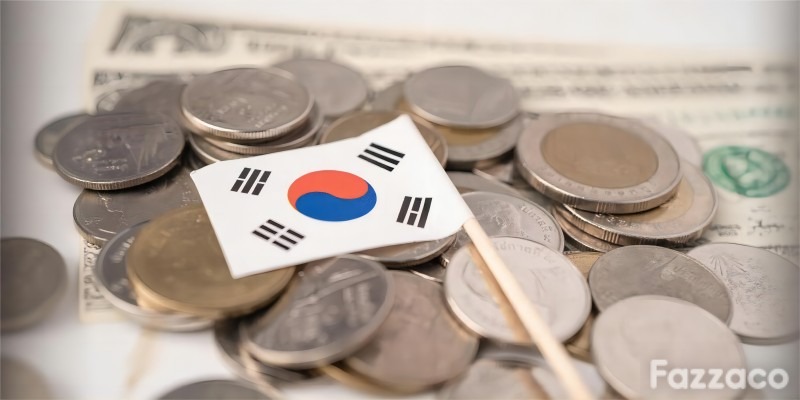 South Korea has introduced new economic measures aimed at stabilizing its financial markets and boosting domestic demand amid political turmoil and weakening consumer confidence. The country is particularly focused on attracting foreign investment to counter economic challenges exacerbated by an ongoing political crisis.
Starting in mid-January 2025, the government will allow registered foreign financial institutions (RFIs) to engage in foreign exchange transactions for trade settlements, including exports and imports. This marks a significant shift, as RFIs were previously only allowed to trade the Korean won for securities purposes. The move is part of a broader strategy to integrate the won into global markets, following last year's introduction of measures to allow foreign institutions to trade the currency through the domestic interbank system.
The government's economic outlook for 2025 is cautious, with growth expected to be 1.8%, below the central bank's potential growth rate of 2%. This slowdown is attributed to South Korea's low fertility rate, shrinking working-age population, and a global trade environment affected by ongoing trade tensions.
In response, the government plans to front-load budget spending and introduce tax exemptions to stimulate domestic demand. These measures include a 30% tax reduction on automobile purchases and tax incentives for businesses that raise employee wages. These steps aim to improve consumer sentiment, which has dropped to a two-year low.
The government's plans are complicated by opposition-controlled cuts to the fiscal budget, leading economists to predict a supplementary budget may be necessary. While the government has not confirmed this, it remains a possibility depending on economic conditions.
South Korea's KOSPI stock market and won currency were among the worst performers in Asia last year, largely due to political unrest, including the president's brief imposition of martial law in December. The government has committed to stabilizing financial markets and working with international partners to ease volatility.
 Subscribe Now