


The Dollar Remains the Central Force in Forex and Crypto Markets
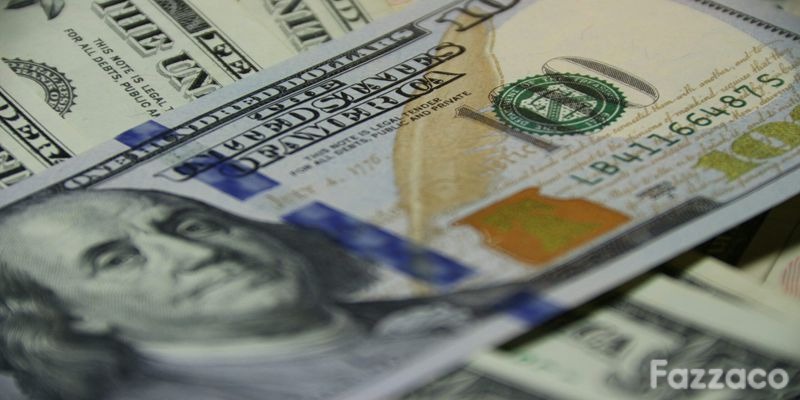
Despite narratives of decentralization and a diversified monetary future, the U.S. dollar retains its role as the global economy's key benchmark. In traditional foreign exchange, it is the pivot for trade, reserves, and risk assessment. Similarly, within cryptocurrency markets, value, liquidity, and sentiment are predominantly measured in dollar terms. This enduring dominance is a reality market participants continually rediscover.
This centrality fundamentally shapes the perception of both markets. In forex, the dollar defines major currency pairs. In crypto, even amidst excitement over assets like Bitcoin or Ethereum, market valuations are overwhelmingly expressed against the dollar. Platforms like Binance exemplify this, facilitating global participation in volatile, dollar-denominated crypto markets and thereby reinforcing the greenback's ongoing relevance.
The dollar sets the pace in foreign exchange, acting not merely as another currency but as the fundamental gauge of global risk, monetary policy, and macroeconomic tensions. Its strength signals caution or a safety bid, while weakness suggests easier conditions or risk appetite. As a central asset, it heavily influences valuations of the yen, euro, pound, and emerging market currencies, making forex a largely dollar-centric system.
This reality increasingly extends to cryptocurrency. Though conceived as an alternative, the crypto market has evolved with the dollar as its primary reference point. Exchanges like Binance demonstrate this daily, connecting global participants to markets still heavily influenced by dollar-based thinking.
Cryptocurrency, despite its novel value proposition, continues to operate in dollar terms. Prices are quoted against it, profits are measured in it, and investors gauge returns using it. This reliance is a key driver behind the rise of stablecoins, which have not replaced the dollar but have integrated it into the digital asset ecosystem on a massive scale. The dollar's role is evolving, now flowing through digital rails and blockchain liquidity as well as traditional channels.
Macroeconomic forces also flow from the dollar into crypto. In forex, the dollar's trajectory directly reflects central bank policy, yields, and geopolitical events. Crypto markets increasingly respond to these same forces. When the dollar strengthens as a safe haven or liquidity tightens, digital assets often face pressure. This interconnectivity means crypto is no longer an isolated market but reacts to the drivers of traditional currencies and risk assets, with the dollar as a key transmission mechanism.
The dollar's dominance is fundamentally functional. It serves as the primary medium for trade, reserves, savings, and contracts. While crypto can disrupt or build new systems, it has not replaced this core utility. Instead, much of crypto's expansion has leveraged the dollar's established role. Investors and institutions naturally value and hedge in the unit they understand best, and traders seek liquidity in a universally accepted settlement medium.
The conclusion is that forex and crypto are more aligned than they appear. Both markets revolve around the same central force. In forex, the dollar shapes the market's structure; in crypto, it influences prices, liquidity, sentiment, and macro dynamics. Therefore, understanding the dollar's trajectory remains critical for navigating either arena. Whether trading dollars, stablecoins, Bitcoin, or assets on platforms like Binance, the underlying context is consistently shaped by the enduring dominance of the U.S. currency.
 Subscribe Now