


The Effects of the Fall of Kabul on the Markets
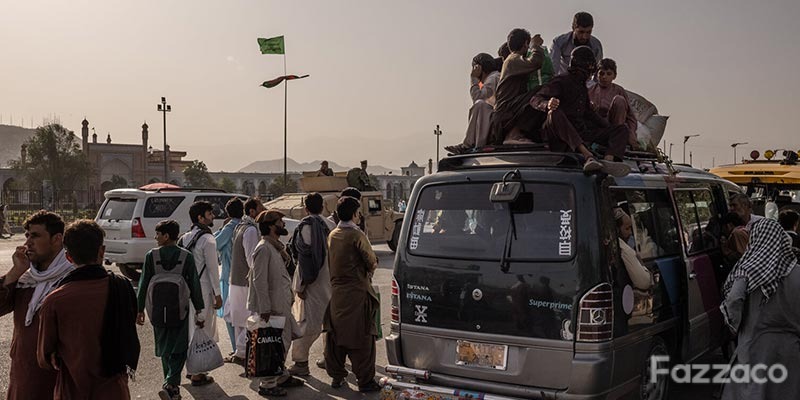
(Source: The New York Times)
We have all seen the images on TV of the Taliban taking over Kabul. The similarities with those we’ve seen from Vietnam seem to be noticeable. But the consequences might be as diverse as the comparison between the world in the 1970s and now. Today, local events such as this affect international markets like a small pebble thrown into a lake. The pebble won’t change the lake just like Afghanistan won’t change the world economy, but it sets in motion several ripple waves that can be superficially felt all over.
While it might be too early to analyze all the geopolitical consequences of the American retreat, it’s an excellent time to diagnose the implications of the fall of Kabul on the markets. We’ll cover economics, stock, and Forex markets, but the point is to give you a quick diagnosis of the current Zeitgeist in the country everyone is talking about.
Market conditions
The exodus of millions of afghans from their country implies the momentary collapse of the fragile Afghan economy. Major foreign investors like Germany are starting to pull their people out of the country. Afghan financial markets are weak at the moment, and this may have both immediate and medium-term consequences on the markets. If the Taliban remains in power, many investors will pull out of Afghanistan as the new status quo will be plagued with the words markets, and investors hate the most - “uncertainty.”
On the global stage, the financial markets are already being affected. Indices are down, with investors eager to see if the political situation can change or the US retreat is permanent. Furthermore, Afghanistan’s new Taliban government won’t be able to access the $9 billion lifeline that, according to the former Central Bank of Afghanistan leader Ajmal Ahmady is stashed on the US Federal Reserve (5.5), International accounts (1.3), and Bank for International Settlements (0.7).
Other countries in the region (especially Pakistan) might suffer from an influx of refugees, which in turn might evolve into a labor crisis, with overwhelming demand crushing the reduced job offer. Low employment usually leads to political instability and potentially to a humanitarian crisis.
The global pharmaceutical industry may also see the stock of its prominent multinationals take a slight hit as the Taliban have vowed to ban opium consumption and cultivation in Afghanistan. Even though this promise sounds as reliable as the ones made about women’s rights, the attempt to reduce the largest opium market in the world will undoubtedly increase the price of what is an essential ingredient featured in many of the industry’s painkilling best sellers.
Forex consequences
Afghanistan’s currency, the AFN, has dropped 8.2% in relation to the USD in the week following the takeover. Buying the pair of AFN/USD in an extended position is becoming the consensus among Forex traders. The COO of the SAAS Forex powerhouse, Leverate, Guy Paz, advises brokerages to defend their position, “in times of instability, it is essential not invest in one instrument only as the volatility of the situation on the ground might change substantially.” Leverate is an expert on how to open a Forex brokerage.
Take away
A certain level of stability will return to Afghanistan sooner rather than later. The opium trade and most other economic activities will likely come back to normal, just more hidden. To justify the retreat, U.S. President Joe Biden invoked Afghanistan's historical nickname as the “graveyard of empires.” He forgot to think it may also be the graveyard of economies.
By David Rosh Pina, Content Manager at Leverate
 Subscribe Now