


U.S. Treasury Opens Consultation on Stablecoin Oversight
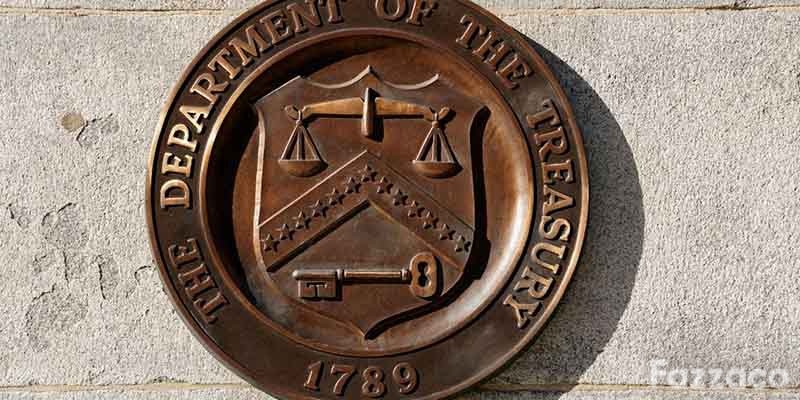
The U.S. Treasury Department has invited public feedback on measures to detect and prevent illicit finance in digital assets, in a step toward implementing the country's first federal stablecoin framework.
In a notice published Monday, Treasury called on "interested individuals and organizations" to submit comments by October 17. Areas flagged for input include blockchain analytics, artificial intelligence, digital identity systems, and application programming interfaces, all of which could be applied to strengthen compliance in stablecoin markets.
The consultation stems from the Guiding and Establishing National Innovation for U.S. Stablecoins (GENIUS) Act, signed into law in July by President Donald Trump. Treasury will review submissions and report findings to both the Senate Banking Committee and the House Financial Services Committee.
Treasury Secretary Scott Bessent described the process as critical for U.S. leadership in the sector. Writing on X, he said: "Stablecoins will expand dollar access for billions across the globe and lead to a surge in demand for U.S. Treasuries, which back stablecoins."
The GENIUS Act sets a federal framework requiring stablecoins to be backed one-to-one by U.S. dollars or similarly liquid assets, while mandating annual audits for issuers above $50 billion in market capitalization. Rules for foreign-issued stablecoins are also included. The law is scheduled to take effect 18 months after enactment, or 120 days after implementing regulations are finalized.
Critics from the banking sector have raised alarms about the absence of restrictions on interest payments to stablecoin holders, arguing it could accelerate deposit outflows from traditional banks into digital assets. "We believe the flight to stablecoins would be a bigger threat [than money market funds during the 2008 crisis], because it would be fast and simple for consumers to convert deposits," TD Cowen analyst Jaret Seiberg warned.
The stablecoin law is part of a broader digital asset package advanced by Republicans. Alongside it, the House passed the Digital Asset Market Clarity (CLARITY) Act and the Anti-CBDC Surveillance State Act in July. Both bills are now before the Senate, where committee leaders have indicated they intend to move forward with their own version of the CLARITY Act later this year.
The GENIUS Act is the first crypto-specific bill to be signed into law during Trump's presidency, setting a precedent for federal oversight of dollar-pegged tokens at a time when both U.S. banks and global financial competitors are weighing further involvement in the sector.
 Subscribe Now