


Voices from the Industry: Is the Rise of Prop Trading A Disruption or Opportunity?
Fazzaco highlighted in the recent article "How A Report Shows FX is Reviving in Proprietary Trading" that, starting in 2023, various factors, including increased trading costs and shifts in regulations, led proprietary trading firms to gravitate toward the forex market. Consequently, currency trading has experienced a resurgence within the proprietary trading sphere. Acuiti's Q4 2023 Proprietary Trading Report indicates that 45% of firms engaged in proprietary trading, and offering currency trading, plan to significantly increase their involvement in this market during 2024.
Given the burgeoning momentum of proprietary trading firms, will traditional forex brokers face substantial competitive pressure? What delineates the advantages and disadvantages between prop firms and brokers? What defines the regulatory landscape and risk management strategies within proprietary trading? Can prop firms supplant traditional brokerage entities in the forex market? To address these inquiries, Fazzaco invited several executives from brokerages, fintech firms, and proprietary trading entities to reveal their real voices of the industry from multiple angles.
The Rise of Prop Trading: "Lambo Chasers" and "Big Dream Effect"
Proprietary trading isn't a novel concept. This practice involves financial firms or banks generating market profits directly through their own capital, distinct from relying on client funds for smaller commission proportions. Prop trading encompasses diverse investment instruments: stocks, bonds, commodities, currencies, and cryptocurrencies.
"Proprietary trading firms have been around for decades in the Chicago trading community," noted Jason Kovalcin, Tradeview Markets' Director of Business Development. Tradeview Markets, established in 2004, is a brokerage offering comprehensive services and options for forex traders. "They allow qualified individuals the opportunity to access a variety of markets such as FX, Equities, Fixed Income, Futures, and Options and also receive funding for their strategy in exchange for a profit and loss (P&L) split."

"The emergence and evolution of prop trading firms signify a positive shift in the financial landscape," said Vitaliy Makarenko, Chief Commercial Officer at Quadcode, a prominent white label provider. "These firms drive innovation through technological advancements and quantitative strategies, contributing significantly to market liquidity and efficiency," he added. "Their ability to adapt, innovate, and embrace sophisticated trading methodologies demonstrates their positive impact on the financial markets."

In the forex sector, more and more traders are choosing to cooperate with prop trading firms. However, as people today are so overwhelmed by social media, many start to pitch the so-called "overnight rich" trading stories online. Gary Langley, a market analyst from The Scruffy Trader, calls these people "Lambo Chasers". "These individuals contribute to the narrative by promoting success stories, trading strategies, and investment opportunities, creating a network effect that fuels the momentum of proprietary trading sometimes giving the impression of easy money rather than showing as a professional job," Langley commented.

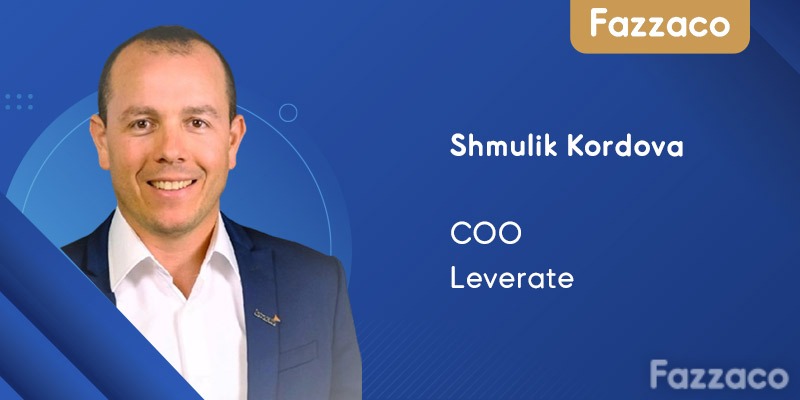
Shmulik Kordova is COO at Leverate, a fintech company offering innovative brokerage solutions, shared his perspective on the robust momentum of prop trading. "Proprietary trading (prop trading) gained significant momentum in 2021, driven by factors such as the 'big dream effect,' technological advancements, and market volatility. Fintech companies like Leverate can contribute to prop trading firms' growth by providing risk management solutions, customization and scalability, and data analytics, building a symbiotic relationship between prop trading firms and fintech companies to contribute to the overall growth of the prop trading sector."
Prop Trading Firms vs. Brokers: Beyond "Profiting from Market Volatility" or "Commission Dependence"
The disparity between prop firms and traditional brokers is substantial. From a trader's standpoint, prop trading entails access to a significant startup fund, albeit with the downside of not owning the money, leading to agreements between traders and firms to meet specific trading goals within set timeframes, naturally inducing pressure. On the other hand, collaborating with traditional brokers grants traders higher autonomy and complete control over their decisions despite limitations in funds.
Gary Langley delved deeper into this comparison:
"Prop trading firms offer the advantage of easy access to substantial funds, providing traders with a larger capital base than they might have when starting independently. However, this advantage comes with the trade-off of not owning the capital at risk, as it belongs to the firm coupled with a limited drawdown. Traders in prop firms often face the pressure of achieving predefined milestones within specific timeframes, adding a layer of stress to their trading activities."
"Traditional brokers empower traders with autonomy and full control over their capital and trading decisions. The strength lies in the ability to make individual choices without the constraints of hitting performance targets or trading under someone else's capital. Furthermore, traders with brokers benefit from regulatory protections, safeguarding their funds against the financial instability of the brokerage firm."
"Both prop trading firms and brokers commonly offer access to trading platforms like MT5, ensuring a level playing field in terms of technology," he added.
However, from a corporate perspective, the pros and cons differ significantly between prop firms and brokers in the financial sector, stemming mainly from their distinct business approaches: prop firms focus on profiting with the company's fund, while brokers concentrate on earning commissions after facilitating client transactions.
"So prop trading firms offer autonomy and high-profit margins during market volatility," said Shmulik Kordova. "But they face direct capital exposure."
"Brokers, however, benefit from a diverse client base but are susceptible to market sentiment and commission dependency."
The Need for an Effective Regulatory System in the Prop Trading Market
It's important to note that despite the longstanding existence of the prop trading market, prop firms currently operate without supervision, a fact highlighted during our discussions on the disparities between the two. "Similar to other industries, regulation is important in maintaining order and providing safeguards," Jason Kovalcin emphasized. "Markets such as on-exchange products are regulated and it is critical to maintain a level playing field for all."
"Imagine a trading environment where participants can do and act as they please with little consequence. It would be total chaos," he noted.
Regulation has always been pivotal in establishing client trust for financial institutions. Shmulik Kordova proposed integrating compliance measures to secure traders' funds through transparent reporting, regular audits, and network security, not just as a legal obligation but as a means to enhance brand reputation, transparency, and social responsibility.
Despite the current absence of an effective regulatory system in the prop trading market, responsible institutions typically implement internal controls and risk management measures to ensure fair and transparent trading.
"These measures include setting limits on trader exposures, monitoring activities for compliance with internal policies, and employing safeguards against excessive risk," Gary Langley explained. "For instance, companies like the 5ers Prop firm self-regulate via KYC to ensure best practices and establish clear rules from the outset."
Regarding risk control, Vitaliy Makarenko elucidated the differences between prop trading firms and brokers:
"Prop trading firms, predominantly operating under the B-Book model, execute proactive risk management strategies tailored to their specific model. Leveraging sophisticated technology and quantitative analysis, they diligently control and mitigate risks inherent in their trading activities. This tailored approach allows them to swiftly adapt to market changes, optimizing profits while maintaining a resilient risk profile."
"Traditional brokerages, operating under diverse models such as A-Book, B-Book and Hybrid, possess distinct risk management approaches. A-Book models primarily pass trades to liquidity providers, minimizing direct exposure to trader profits or losses. Hybrid models combine elements of A-Book and B-Book, allowing the brokerage to manage risk more flexibly."
"In essence, while prop trading firms focus on agile risk management tailored to their B-Book model, traditional brokerages have varied approaches, leveraging models like A-Book or Hybrid to mitigate risks associated with their trading activities. This diversity in models allows traditional brokerages to adopt strategies that limit direct exposure to trader profits or losses, offering more flexibility in risk management. Quadcode's leading technology solutions such as trading infrastructure, risk management system, algorithmic trading tools, and customizable platform play a key role in supporting prop firms."
Prop Trading Firms vs. Brokers: A Fight to the Death or Live and Let-Live?
As forex brokers increasingly venture into prop trading and prop firms embrace currency trading, the looming question emerges: Can prop trading outpace traditional brokerage? Gary Langley's answer is no: "Cannot see prop trading taking over brokerage firms in the short term. This is primarily because serious traders currently prioritize managing their own funds, valuing the autonomy and freedom this approach affords."
Shmulik Kordova finds this question quite challenging to address: "Both play vital roles in financial markets. Hence I can say their future dynamics are uncertain. Prop trading's agility and focus on proprietary strategies and technological innovation are it's strengths while Brokerages benefit from a broader client base, retail trading surge, and diversification of services. The outcome may involve a coexistence model, influenced by technological advances, regulatory changes, and market dynamics."
Competing doesn't always equate to a battle to the finish. Each holds unique advantages and drawbacks. Combining the agility, innovation, and professionalism of prop trading firms with the client-focused approach of traditional brokers could foster diversity, innovation, and overall market growth through healthy competition, benefiting everyone involved.
"These are two drastically different models. Brokers offer self-directed trading accounts while Prop trading firms offer a broker-like environment and ease of entry into the marketplace. The trader's decision on which model to implement comes down to where they want to commit their resources," Jason Kovalcin added.
Fazzaco will continuously strive to provide you with the latest and most comprehensive information and insights into the financial market. Follow us to stay informed about market dynamics.
 Subscribe Now