


Will Singapore Overtake Tokyo as the World’s Third-most Important Center for FX Trading?
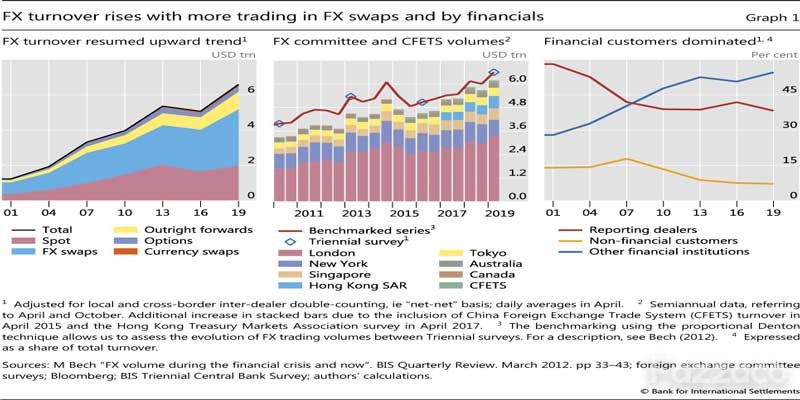
London is by far the dominant global forex hub, commanding 43% of all volumes, according to an influential 2019 market survey by Bank of International Settlements. New York is a distant second with about 12% of volume and Singapore is third with 7%, ahead of Hong Kong and Tokyo.
 But that pecking order does not reflect the reality that for most banks, Tokyo, not Singapore, has been their traditional hub for price discovery and price matching. Although Singapore and Hong Kong each enjoy bigger volumes, the industry's infrastructure is still mostly based in Japan.
Banks to Put FX Engines in Singapore
However, in the past two years, the list of major banks launching new electronic trading platforms located in Singapore has grown significantly, with announcements coming thick and fast from the likes of Standard Chartered, JP Morgan Chase, BNY Mellon, Deutsche Bank, Macquarie, Citi, Northern Trust, BNP, UOB and UBS.
Singapore's FX Ambitions
On one hand, the Monetary Authority of Singapore (MAS) has been offering incentives to attract relevant banks to build the infrastructure to set up their matching, pricing and trading engines in Singapore since early 2019. It is the central bank's wider push to improve the city state's standing as a major FX centre.
War on Latency
On the other hand, a major factor behind all of this is the reduction of trading latency. Although Singapore has a higher daily FX turnover than Japan, Tokyo remains one of the three key FX trading centers globally. But routing trades from Singapore via Tokyo incurs a round-trip latency of 70-80 milliseconds, whereas routing directly to a matching engine in Singapore can reduce latency to the point where it is negligible. This factor alone is likely to draw more high frequency trading (HFT) firms and hedge funds to Singapore, once a critical mass of liquidity providers, brokers and trading platform providers has been established.
Japanese Yen's Position in FX Industry
Foreign exchange is the world's largest capital market with an average daily volumes of $6.6 trillion. The biggest portion of that market (61%) is swaps, which is dominated by inter-bank trading. Banks engage in currency swaps to support a range of other trades, hedges, and structured products, either for clients or for their own books and daily capital management.
The swaps market is global but just three currencies dominate transactions: the U.S. dollar, the euro, and the yen. This is true even when there is no entity or asset involved from those markets; these currencies are more likely to be traded offshore than at home, with a small number of global and regional banks controlling inventory and trading.
The spot market, which accounts for about 30% of forex trading, tends to be used more by hedge funds, electronic market-makers, and the prime brokers that serve them. It too is concentrated in the biggest trading centers.
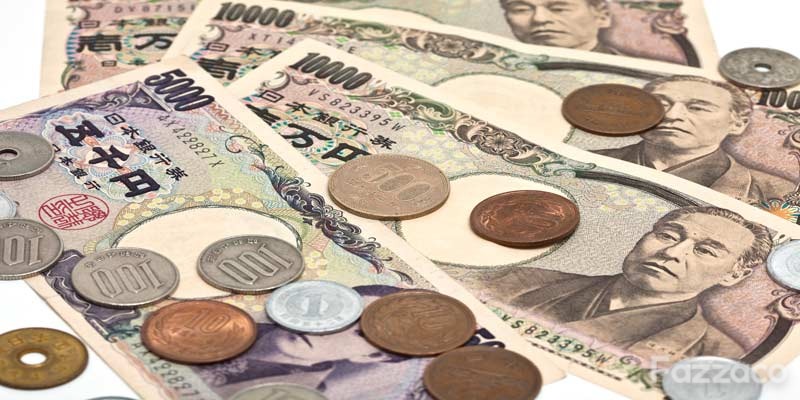
Although Tokyo's volumes are far behind Singapore and Hong Kong, the yen is a top-three global currency.
 Additionally, the Tokyo "fix" at 10 a.m. each morning sets prices for commercial transactions in forex. Other than London's 4pm fix, Tokyo's is the most important activity in forex. These prices are set in the TY3 data server, operated by a vendor, Equinix, so participants in the rest of Asia Pacific must route their orders to it (or to similar data centers in London).
Conclusion
To judge by the number of FX liquidity providers and execution venues setting up shop in Singapore, the city state's efforts to establish itself as the premier FX trading centre in Asia appear to be paying off. However, Japan is likely to dominate retail FX price matching because of its domestic demand. Moreover, Japan has also traditionally served as a backup for London servers in the event of a disaster or business shutdown. Singapore might make sense as a contingency for pan-Asia players but not global ones.
All in all, it seems impossible for Singapore to vault past Tokyo as the world's third-most important center for FX trading in the short term. What do you think?
 Subscribe Now