


Worldcoin: OpenAI Founder's Utopian Dream of Giving Everyone A Piece of the Pie
The coronavirus crisis of 2020 hit the world hard, and governments everywhere scrambled to prop up their economies and support their people who were out of work and out of cash because of lockdowns. One of the ways they did that was by sending out cash to the citizens. The US government was one of them, handing out three rounds of stimulus checks that averaged at least $1,200 per taxpayer.
Some people think that giving out money is the answer to everything. Take Sam Altman, for example. He's the guy behind OpenAI, the company that created ChatGPT, the hottest AI chatbot of 2023. But he's also got another project up his sleeve: Worldcoin. It's a cryptocurrency that he wants to give away to everyone on the planet - no strings attached. He's been working on it since 2019, and he just got a fresh round of funding for it, even though the crypto market is in a slump.

Worldcoin sounds like a lofty idea - a digital currency for all humanity - but is it too good to be true? We're going to dig deeper into Sam Altman's "crypto utopia" dream and find out if it has any chance of becoming a reality.
A Crypto Experiment for Universal Basic Income
Imagine a cryptocurrency that aims to be distributed worldwide in a fair way. To do so, Worldcoin makes the following statement on its website, claiming that it is "building the world's largest identity and financial network as a public utility, giving ownership to everyone." More specifically, "we aim to create universal access to the global economy regardless of country or background, accelerating the transition to an economic future that welcomes and benefits every person on the planet."
It appears that this whole Worldcoin project is pretty much a digital version of a "Universal Basic Income (UBI)" initiative. But how will OpenAI's founder make it work and can it succeed?
Three Pillars of Worldcoin: World ID, Worldcoin and World APP
Worldcoin announced its official launch of its wallet, World APP, on May 8, 2023. The app is the final piece of the puzzle for Worldcoin, which relies on three key components. Let's take a closer look at each one.
- World ID
The first step to join Worldcoin is to verify your unique identity. This is done by scanning your iris with a special device called Orb, which uses biometric technology and zero-knowledge proof (ZKP) to ensure your privacy.
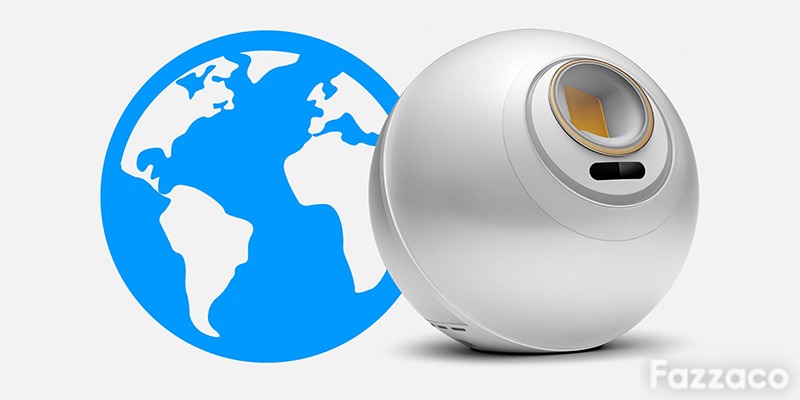
The idea is to prevent people from creating multiple accounts and gaming the system. According to McKinsey Global Institute, more than half of the world's population (4.4 billion) lack legal or digital identity, so Worldcoin hopes to provide them with a secure and universal way to prove who they are.
- Worldcoin
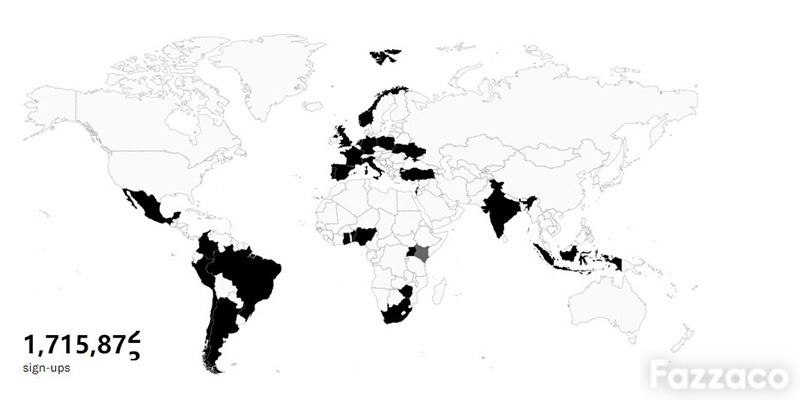
Once you have verified yourself, you are eligible to receive a coin. This is how Worldcoin distributes its tokens: by airdropping them to anyone who signs up. Although Worldcoin's ultimate goal is to reach every human being on the planet, it is starting with one billion people first. As of May 18th, about 1.7 million people have registered on its website. The map below shows where most of them are located: Europe, South America, Southeast Asia and some African countries.
- World APP
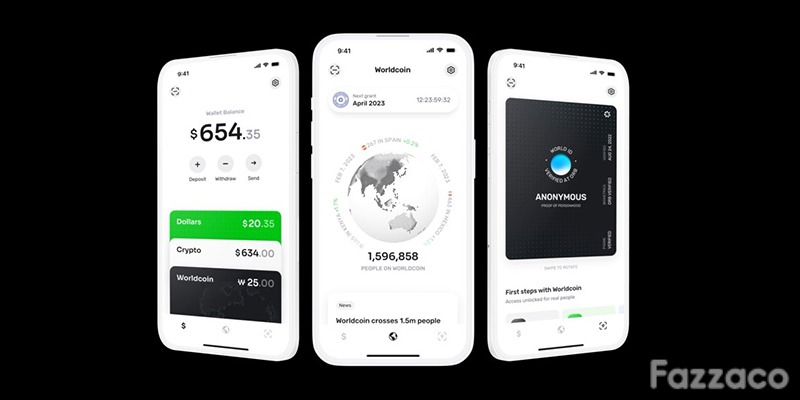
The last component of Worldcoin is its wallet app, which allows you to store, send and receive coins, as well as access other features and services. Worldcoin is currently in talks with potential investors, including Khosla Ventures and Andreessen Horowitz (a16z), to raise $100 million for its development and expansion.
The Worldcoin Controversy: Unrealistic, Scary and Dangerous?
But not everyone is impressed by Worldcoin's plan. Some skeptics say it is too ambitious and risky. Hudson Jameson, a former member of the Ethereum Foundation and now working at Polygon Labs, tweeted this month that Worldcoin's plan is "unrealistic and scary". He said he was not very confident that Worldcoin could deliver on its airdrop promise, because their plan was too big. Jameson also questioned the token economy itself, because according to him, 80% of Worldcoin will be given to the public, but investors and project team will each take 10%.
"How is that going to create a fair worldwide currency? Is there any analysis from them on preventing wealth gaps in certain areas?" he added.
Besides Jameson, Ethereum core developer Tim Beiko also expressed his doubts, saying that "cheap price plus open access to FaceID" were two features that made Worldcoin "obsolete".
Even more so, some questioned Worldcoin's UBI feature itself, arguing that currency, whether traditional or digital, should be based on production and credit. Giving everyone tokens would more likely hit a weak spot in humanity, and that is "they can get something for nothing." Therefore, some are suspicious that Worldcoin's real purpose is not to bring digital currency to billions of people, but to collect biometric information from billions of people?
Perhaps no one can tell for sure at this moment.
 Subscribe Now

