


Young Investors Are Reshaping Brokerage Firms—The Data Speaks for Itself
 The brokerage industry is undergoing a transformation, largely driven by a new generation of investors. With Gen Z and younger Millennials actively participating in the markets, brokerage firms are being forced to rethink their strategies to remain competitive. This shift is not speculative—the data shows a clear trend toward younger investors demanding faster, more accessible, and more diversified trading platforms. In fact, a report by J.D. Power (2023) revealed that 50% of brokerage firms have seen a 30% increase in young trader accounts since 2021, further confirming this growing trend.
A New Generation of Traders—Entering the Market Earlier
The traditional timeline for entering financial markets is evolving. Data from recent industry reports highlights that the average age of first-time investors has dropped significantly:
Millennials: 25 years old
Gen Z: 19 years old
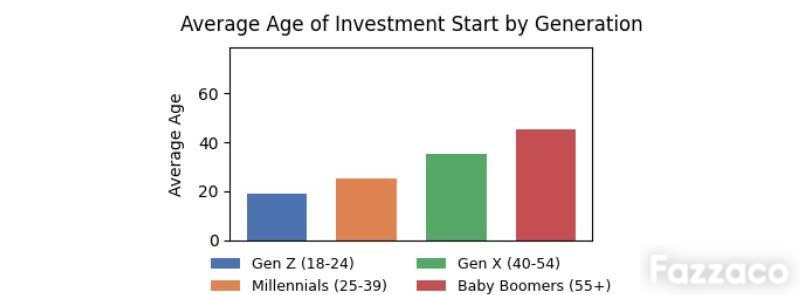
More than 65% of investors under 25 now have active brokerage accounts, compared to 48% five years ago.
For brokerage firms, this underscores the need to engage retail traders at an earlier stage. Firms that fail to capture these investors risk losing them to competitors that better cater to their preferences.
Beyond Traditional Stocks: Multi-Asset Trading on the Rise
Young investors are not limiting themselves to equities. While stock trading remains a core activity, brokerage firms must recognize a broader appetite for alternative assets.
72% of Gen Z investors hold stocks, but they favor high-growth sectors over blue-chip stability.
56% actively trade cryptocurrencies, while 44% of Millennials also engage in digital assets.
Interest in forex and CFD trading has grown by 40% in the last three years among younger investors.
33% have explored options trading, often seeking short-term opportunities.
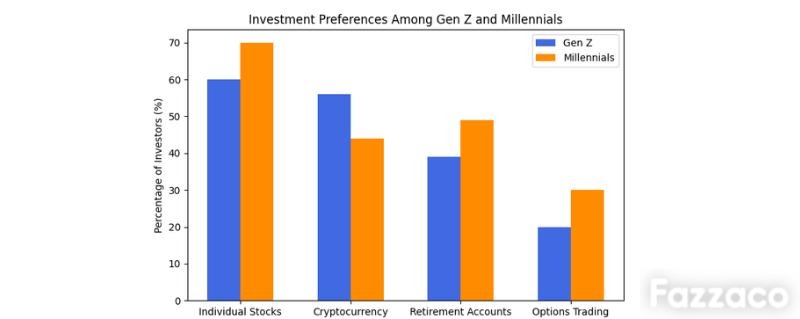 For brokerage firms, offering multi-asset trading is no longer an added feature—it is becoming a necessity. Platforms that integrate stocks, crypto, forex, and derivatives are seeing higher trading volumes and stronger client retention.
The Mobile-First Generation—Speed Matters
The expectation for seamless, high-speed trading is no longer negotiable. Data shows that:
65% of Gen Z traders make investment decisions within 24 hours, highlighting a preference for rapid execution.
41% execute trades primarily on mobile apps, as opposed to desktops or traditional trading terminals.
52% state they would switch brokerages if a competitor offered a faster, more intuitive platform.
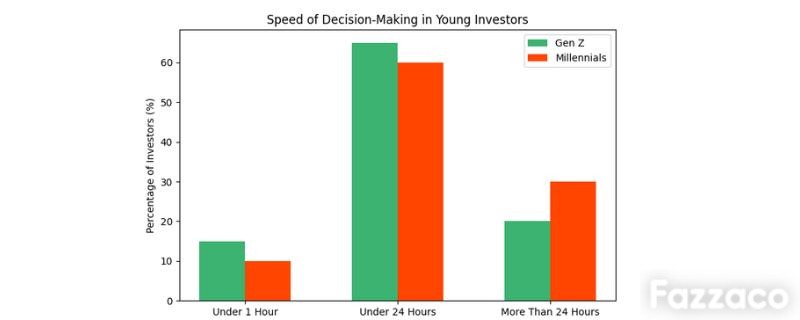
Brokerage firms that rely on legacy systems are already feeling the impact. Platforms prioritizing low-latency execution, intuitive design, and mobile-first accessibility are gaining significant traction among younger traders.
Fee Sensitivity—The Shift Toward Low-Cost Trading
The brokerage model has long relied on commissions and fees, but younger investors are significantly more cost-conscious than previous generations. The data makes this clear:
78% of Gen Z investors avoid platforms with high trading fees.
58% have switched brokerage firms at least once due to better fee structures elsewhere.
44% prioritize brokers that offer commission-free trading.
While fee-based models remain essential for many brokerage firms, firms that fail to adjust their pricing strategies may struggle to retain younger clients. Competitive pricing, transparent fee structures, and innovative monetization strategies (such as payment-for-order-flow models) are key to sustaining growth in this evolving market.
The Bottom Line—Brokerages Must Adapt or Risk Falling Behind
The data speaks for itself—young investors are reshaping the brokerage industry, driving demand for multi-asset trading, mobile-first platforms, and low-cost structures. Firms that align with these preferences are capturing a growing market share, while those resistant to change risk losing relevance.
 Subscribe Now