


Your Roadmap to Forex Licensing
Starting your own forex brokerage is an ambitious and highly rewarding endeavor. With the global forex market continuously thriving, the demand for brokerage services has surged, making it an enticing opportunity for aspiring entrepreneurs and financial enthusiasts. However, launching a forex brokerage requires meticulous planning, extensive market knowledge, and strict adherence to regulatory guidelines.
Recently, Fazzaco has experienced a surge of inquiries regarding starting up a forex brokerage, and the interest keeps growing steadily. To cater to clients' needs, Fazzaco will provide you with a step-by-step approach, covering crucial considerations and strategies essential for successfully establishing your forex brokerage. Whether you are a seasoned financial professional looking to venture out independently or an enthusiastic newcomer with a vision, Fazzaco aims to equip you with the knowledge and insights necessary to create a thriving forex brokerage, allowing you to carve your niche in this dynamic and competitive industry.
Behind the fast-paced and exhilarating world of forex trading lies a framework of regulations and licenses designed to protect market participants and maintain the integrity of the financial system. Forex licensing forms the backbone of this regulatory structure, offering traders and brokers the necessary authorization to operate within the forex market.
In this comprehensive article, we delve into the intricate world of forex licensing and unravel its significance, which marks the initial and crucial step in establishing your business.
What is Forex License and Why It's Important
A forex license is an official authorization granted by a regulatory authority to entities that wish to engage in forex-related activities. The license acts as a seal of approval, confirming that the licensee adheres to specific guidelines and meets the necessary requirements to operate lawfully in the forex market.
A licensed forex broker inspires trust and confidence among investors as the financial markets have encountered a notable increase in fraudulent activities and scams in recent times. For ordinary investors, there is a greater risk of encountering unscrupulous individuals or entities seeking to deceive investors and traders. These scams can take various forms, including Ponzi schemes, fake investment opportunities, unauthorized brokers, and pump-and-dump schemes.
The license indicates that the broker meets the necessary financial requirements, has a proper organizational structure, and complies with risk management and client fund protection rules. This reassures investors that their funds are secure and that the broker operates in their best interest.
Jurisdictions, Regulatory Bodies, and Categories
Forex jurisdiction refers to the geographic area or regulatory authority that oversees and governs forex brokers and traders. Each jurisdiction has its own rules and licensing requirements, making it crucial for brokers to choose wisely. This decision impacts compliance, credibility, and the overall trading environment.
After selecting the suitable jurisdiction, the subsequent phase involves registering your forex brokerage with the relevant authorities. This entails submitting the required documentation and covering associated fees.
Depending on the specific regulations in your chosen jurisdiction, you may need to obtain licenses such as a company license, money transmitter license, and broker-dealer license. The registration process may vary in complexity depending on the location and legal requirements, so seeking professional guidance is advisable to ensure compliance with all essential regulations.
Once your business has been officially registered and licensed, the next decision is to select a suitable location for its operations. This can involve setting up a physical office or opting for a virtual workspace. In either case, it is crucial to have the necessary infrastructure in place, including a reliable internet connection and a secure server, to facilitate smooth business operations.
To make it simpler for our audience, Fazzaco categorizes some common forex licenses as below based on practicability and application difficulty.
Category A
The Great Britain and Australia fall into this category.
Both the FCA and ASIC licenses are considered highly regarded and trustworthy in the forex market. Forex brokers must have enough experience and qualification to obtain the licenses. The FCA is known for its stringent capital requirement for company incorporation and investor compensation scheme that offers up to £85,000 should a brokerage collapse. Obtaining a Forex broker license in Australia involves establishing a brokerage and proving the company's financial eligibility to operate in the industry.

Despite reputation among investors, the ASIC and FCA licenses are more time-consuming and require a higher threshold for entrepreneurs who want to enter the forex niche compared with the following categories. With ASIC or FCA license, you will find PSPs and liquidity providers easily available and will not be bothered with any KYC issues or get overcharged.
Category B
Category B includes Cyprus, New Zealand, and Malta.
A physical office is required in order to obtain licenses in these jurisdictions. In contrast to the previous type, these licenses do not have reporting obligations on regulated brokers. The primary feature of companies holding licenses in these jurisdictions is their ability to freely engage and collaborate within the European customers, the most robust and active group in the financial world.
When registering in these countries and interacting with EU clients, opening a bank account is easier than the other jurisdictions below, and normal PSPs are willing to deal with clients with these licenses.
Category C
Category C contains most offshore jurisdictions, such as Vanuatu, British Virgin Islands, Belize, Seychelles, Labuan, Bermuda, Mauritius, and Cayman Islands.
These jurisdictions provide loosened regulations and more favorable conditions for incorporating a forex broker thanks to their minimal documentation requirements and moderate tax rates.
Nevertheless, any forex broker with simply an offshore license may encounter some difficulties in seeking PSPs or opening an bank account, or at least have to pay a higher fee. What's more, these jurisdictions may change laws or apply new restrictions from time to time under pressure or as a response to client complaints, forcing existing license holders to take emergency actions.
On the other hand, in order to obtain a license in this category, opening a bank account and connecting the payment system to the business is required and sometimes can be challenging. The country may introduce new regulations or restrictions under pressure, with stricter rules to get offshore licenses.
Category D
The Marshall Islands, Saint Vincent and the Grenadines fall into this category.
Strictly speaking, these jurisdictions do not have real forex licenses. Taking Saint Vincent and the Grenadines as an example, the country's regulator FSA has never issued any license that allows forex trading, and forex trading is also not permitted in SVG. For this reason, the SVG regulator issued a requirement under pressure from various parties in early 2023, asking companies established in SVG that conduct forex brokerage business to provide forex licenses from other jurisdictions. For more details on the causes and consequences of this event, you can read Fazzaco's articles: SVG FSA Steps up Regulations on FX Activity, What Does It Mean to Brokers? and Fazzaco Talks to Leaders: The Aftermath of SVG FSA's Regulatory Blitz on FX Brokers.
Popular Licenses and How to Apply
Cyprus
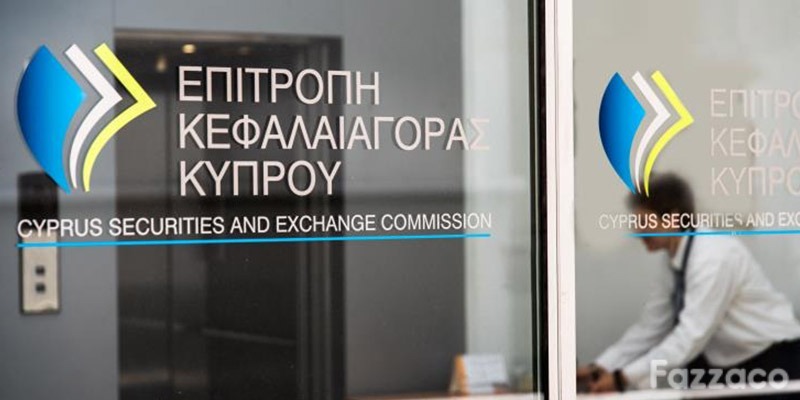
For brokers looking for a way to enter the EU market and also wishing to enjoy low taxes and high-quality talent, Cyprus might be the perfect choice. Cyprus is an EU member state and one of the most popular financial regulatory jurisdictions in Europe. However, before you apply, you need to weigh the pros and cons of getting a Cyprus forex license.
The regulator in Cyprus is the Cyprus Securities and Exchange Commission (CySEC). As an EU member state, Cyprus follows and harmonizes with the EU Markets in Financial Instruments Directive (MiFID), which means that its license meets the high standards and requirements of the EU. Depending on your business model and capital size, you can choose one of the two types, which are commonly known as CIF - Cyprus Investment Firms:
Standard: Costs about 125,000 euros to apply, and it allows you to hold client funds, but not to trade on your own account;
Full: Costs about 730,000 euros to apply, and it allows you to trade on your own account (i.e. a market maker);
Besides, Cyprus has a corporate tax rate of only 12.5%, which is one of the lowest in the EU. Moreover, you can enjoy 0% tax on corporate income, no withholding tax on dividends, a wide network of double taxation treaties, access to EU directives and EU VAT registration and other preferential policies that make Cyprus an attractive destination for forex brokers. In terms of human resources, Cyprus has a highly educated and multilingual workforce that is familiar with the forex industry.
However, when applying for a Cyprus forex license, you also need to be aware of some potential risks and challenges. Firstly, since MiFID II took effect in 2018, the leverage offered by European forex brokers has been drastically reduced, with the leverage ratio for major currency pairs being capped between 100:1 and 30:1 (please refer to another article by Fazzao: Is A Leverage-Restricted FX Market Becoming the New Norm?). This may stop some clients who likes high leverage and high returns. Secondly, the licensing process is quite lengthy, usually taking 5 to 9 months, depending on the complexity of your case and how fast CySEC processes your case. Thirdly, some basic conditions and requirements have to be met, such as:
Having 2 executive directors and 2 non-executive directors, at least one of whom must be a resident of Cyprus; disclosing and making public detailed information on beneficial owners and shareholders to the authorities; also, a registered office in Cyprus has to be established for CySEC supervision and inspection; and hiring at least 3 local staff, one of whom must be a qualified general manager, and the other two must be qualified senior managers.
In conclusion, a Cyprus forex license is an option with many advantages and is often seen as a "stepping stone" to enter the EU market, but it also involves some risks and challenges. Before making a licensing decision, you need to carefully evaluate your business goals and what your clients need, as well as the pros and cons of the jurisdiction.
Vanuatu
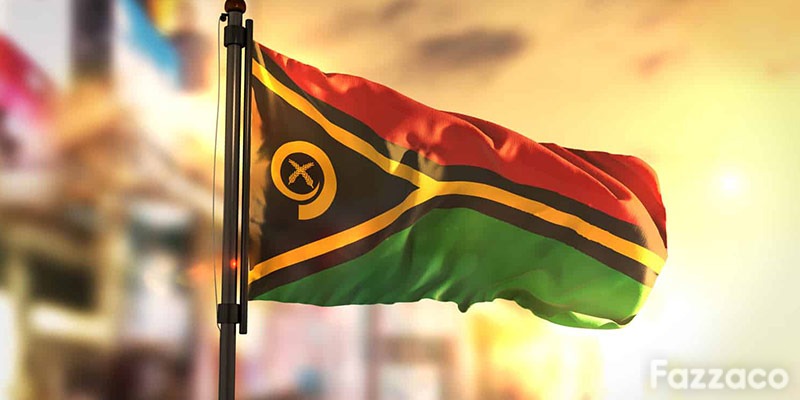
The forex license in Vanuatu is issued and regulated by the Vanuatu Financial Services Commission (VFSC). The FDL license (Financial Dealer License) is very popular in the market, attracting the strong interest of many forex brokers.
Vanuatu is known for its open economic environment, with no income tax, unrestricted capital flows, no foreign exchange controls, low costs of establishing and maintaining a company. At the same time, the company's registration information and documents are highly confidential, providing reliable shelter for funds and assets, making it a paradise for tax avoidance.
Under the regulation of VFSC, the scope of regulation is extensive. From remittance and payment services, to forex trading, commodity trading, securities trading, and even financial consulting, all are under its supervision. To obtain a VFSC-regulated FDL license, a series of necessary materials need to be provided, including passport scans and proof of address of shareholders and directors, proof of no criminal record, and a 3-5 year business plan for the company.
In Vanuatu, there are a variety of brokerages regulated by VFSC, including well-known platforms such as Hantec Group, EightCap, Binance, etc.
The application process for the VFSC license is relatively simple. Registering a Vanuatu company, renting a local office, appointing a local director, submitting a business plan, and depositing $50,000 in security deposit are the key steps.
The application time for the VFSC-regulated FDL license is usually around 1-2 months, suitable for start-up and growth-oriented companies. The security deposit in Vanuatu is VT 5 million Vatu (about $50,000).
Seychelles
Seychelles, a picturesque island nation in the Indian Ocean, is also a preferred destination for many forex brokers seeking a license, especially for those who are starting out and want to set up a brokerage in a more cost-efficient way. Therefore, you might want to add Seychelles to your list of options. However, as a popular offshore jurisdiction, the FX license issued by Seychelles Financial Services Authority (FSA) also comes with its own pros and cons, and you need to be aware of the risks involved before making a decision.
First of all, Seychelles has more lenient requirements for forex licenses than the US, UK or EU. For instance, the minimum paid-up capital is only $50,000, which is much lower than other jurisdictions that demand millions of dollars. Secondly, since MiFID II took effect in 2018, the leverage offered by European forex brokers has been drastically reduced, with the leverage ratio for major currency pairs being capped between 100:1 and 30:1, which we already covered in the Cyprus part above. In Seychelles, however, some brokers are allowed to offer leverage around 1000:1. Lastly, the licensing cycle is shorter, and you can usually obtain a forex license within 3 to 6 months, depending on the complexity of your application.
In terms of taxation, Seychelles implements a zero rate policy for offshore profits, and offshore companies do not need to pay capital gains tax at all. In addition, as a popular offshore financial center, Seychelles has a large pool of local talent familiar with the forex industry.
At the beginning of 2023, the watchdog of St. Vincent and the Grenadines (SVG) required the forex brokers registered in the country to provide valid forex licenses from other jurisdictions, which caught many brokers off guard. Will the same thing happen to brokers holding a Seychelles license?
Firstly, like SVG, Seychelles is also on the EU's blacklist of high-risk third countries with inadequate anti-money laundering systems, which naturally puts pressure on brokers dealing with European clients. Secondly, offshore regulation is becoming increasingly stricter, and onshore regulation is becoming the norm. Thirdly, although Seychelles offers many preferential tax incentives, there is still a possibility that the government will amend the law and revoke the benefits. Lastly, just as SVG authorities imposed new regulatory requirements this year under pressure from a large number of complaints, Seychelles authorities may also decide to shift their attention from forex to other areas after reviewing the risks arising from forex.
Mauritius
A short hop south from the Seychelles islands will land you in another East African island nation, Mauritius, which is also the birthplace of the famous dodo bird. Mauritius, like its neighbor Seychelles, is a sought-after offshore financial center too. The island's financial watchdog is the Mauritius Financial Services Commission (FSC), which has granted licenses to more than three hundred financial institutions under its 2001 Financial Services Development Act.
Forex brokers need to secure two types of licenses in the country, namely Global Business Company and Investment Dealer, in order to legally offer forex brokerage services. The perks of applying for a Mauritian are similar to those of other offshore permits, such as lower capital requirements, lax regulations and tax breaks. These include but are not limited to: a corporate tax rate as low as 3%, zero capital gains tax, and the country has inked double taxation avoidance agreements (DTAA) with 46 countries.
On the flip side, Mauritius has always maintained a cordial foreign policy with the West, and has adopted a hybrid legal system of British common law and French civil law, which can ensure a fairly transparent and stable legal framework to some extent.
Lastly, similar to Seychelles, the main pitfall faced by Mauritius licenses is also from the dwindling offshore licenses and the tightening forex regulation.
Final Thoughts
Picking a forex license regulator is one of the keys for the successful running of a brokerage. In recent years, forex regulation has become more rigorous and intricate, and applying for and keeping a license demands a lot of time, effort and money. Therefore, forex brokers need to opt for the suitable category from the four mentioned above, based on their own needs, brand positioning, capital and business priorities, when choosing a forex license regulator. They also need to weigh various factors, such as the credibility, transparency, flexibility, cost, efficiency and risk of the regulator.
Owning a valid and legal forex license can not only guarantee the compliance and security of the broker itself, but also boost its brand image and market edge, increase client loyalty and satisfaction, and broaden its business range and revenue streams.
 Subscribe Now