


ASX Ordered to Boost Capital and Overhaul Governance After Regulatory Inquiry
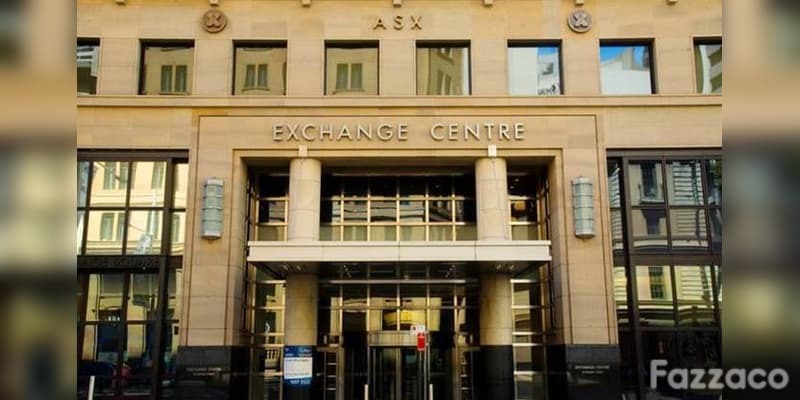
Australia's main stock exchange operator is facing significant structural and financial reforms after a regulatory inquiry found years of governance failures, underinvestment in technology, and an imbalance between commercial priorities and the stability of critical market infrastructure.
The Australian Securities and Investments Commission (ASIC) launched the inquiry in June following a series of system outages. According to the interim report, the three-member panel concluded that ASX had consistently prioritised shareholder returns over operational resilience, contributing to repeated disruptions and weaknesses in risk management and organisational culture.
The inquiry involved 140 stakeholder interviews and the review of nearly 10,000 documents. It found that over the past five years ASX distributed 88% of underlying profit and 95% of statutory profit as dividends, while delaying technology upgrades and underinvesting in systems and staff. The panel said this approach left the exchange reliant on outdated platforms and insufficient contingency arrangements.
"ASX has paid the price of low operational and capital expenditure over many years," the panel wrote, linking the strategy to several serious incidents, including a trading halt caused by a system outage in November and a settlement system failure in December.
The report noted that financial objectives over the past two decades had "heavily influenced" decision-making in ways that undermined the resilience of systemically important infrastructure. It also identified an ongoing tension between shareholder expectations, customers, and regulators, with investors' return expectations "anchored to past performance."
ASIC Chair Joe Longo described the reform package as a "circuit-breaker" for an organisation that had "underestimate[d] the full extent of change required." ASIC said it would work with the Reserve Bank of Australia (RBA) to establish a joint supervisory team to oversee ASX's transformation.
The inquiry also criticised ASX's governance structure, particularly the lack of independence in the boards overseeing clearing and settlement functions. Directors from the parent company currently sit on subsidiary boards, and the clearing entities rely entirely on group resources without standalone, transparent financial accounts. The panel said this resulted in boards lacking "sufficient clarity, focus, independence and dedicated resources" to meet their obligations.
Under the proposed reforms, ASX has agreed to restructure the clearing and settlement boards so they are composed solely of independent directors with no current or past ties to ASX Limited. The subsidiaries will also receive dedicated resources, budget authority, and audited financial statements.
In addition, ASX Limited has been required to build an extra $150 million in net tangible assets by June 30, 2027. The capital charge reflects what regulators described as elevated risks stemming from persistent governance weaknesses, technology underinvestment, and capability gaps. The requirement will remain in place until regulators determine that ASX has met key milestones in its transformation program.
ASIC and the RBA also acknowledged shortcomings in their own oversight, committing to review the supervisory model for clearing and settlement facilities. The panel's final report is scheduled to be delivered by March 31, 2026.
 Subscribe Now